








Preparing Nepal’s Export Sector for Australia: Lessons in Scaling with Resilience
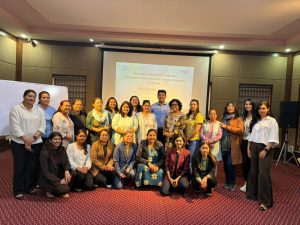
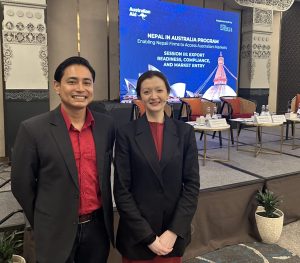
We are proud to share that our team was part of the Nepal in Australia Program, a focused capacity-building initiative designed to strengthen Nepal’s footprint in the Australian market. Out of 92 applicants, 42 businesses were selected for the program.
The program was not just about market access. It was about identifying systemic gaps, strengthening operational foundations, and preparing Nepali businesses to scale sustainably into one of the world’s most regulated and quality-driven markets.
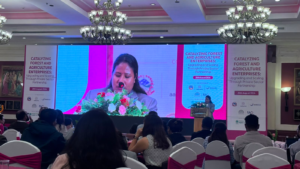
The program opened with welcome remarks from Rojesh Bhakta Shrestha of the Nepal Economic Forum, who emphasized two key objectives:
- Identify the real gaps limiting Nepal’s export growth
- Design capacity-building interventions tailored to those gaps
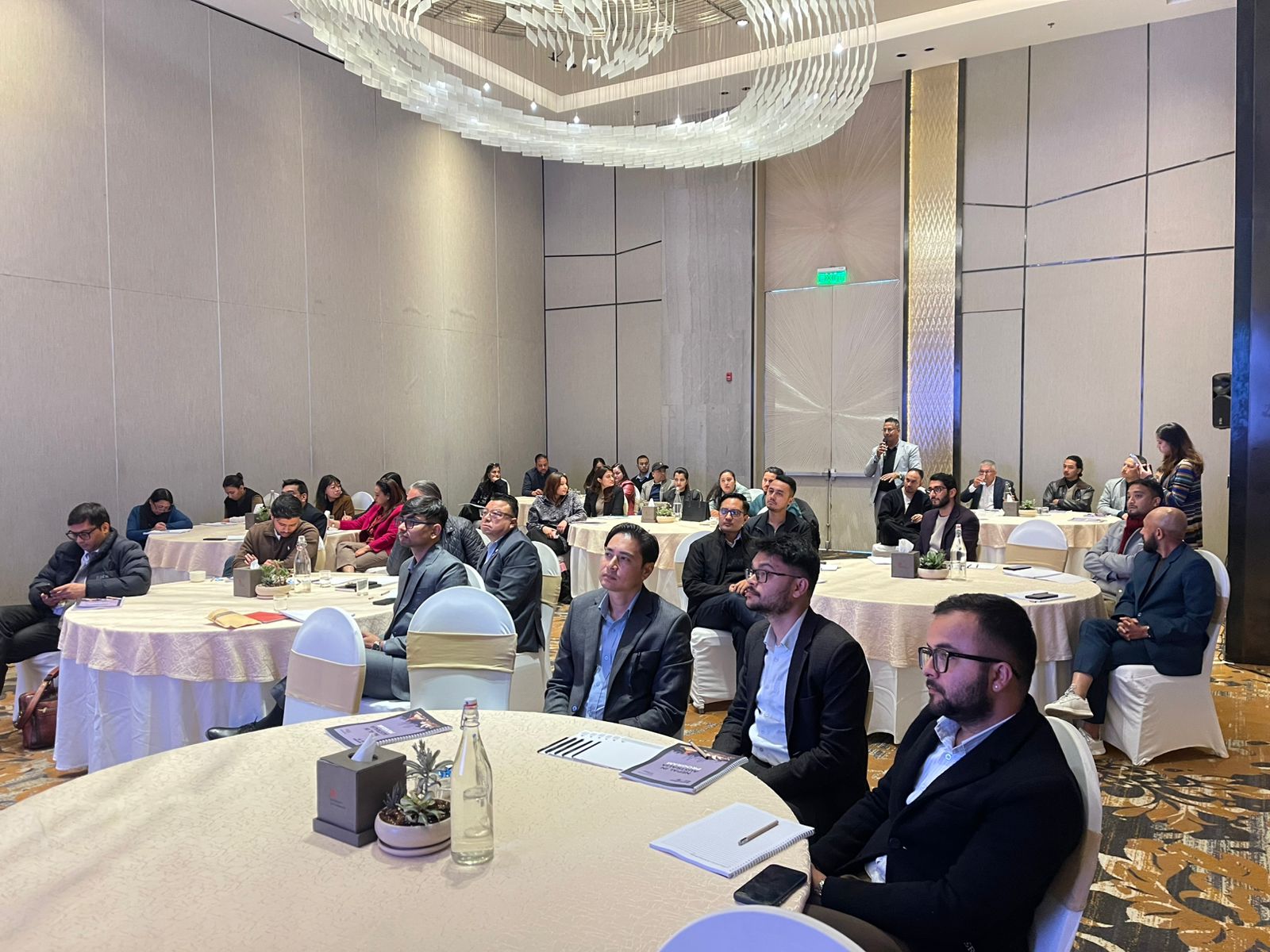
With an increasing diaspora of Nepalese population in Australia. This country represents a high-value opportunity for Nepali exporters. But it is also a structured and highly regulated market where compliance, consistency, and credibility matter deeply.
Greg Klemm, Deputy Head of Mission at the Australian Embassy gave the opening address. He highlighted the strong potential for import of unique, high-value Nepali products in Australia.
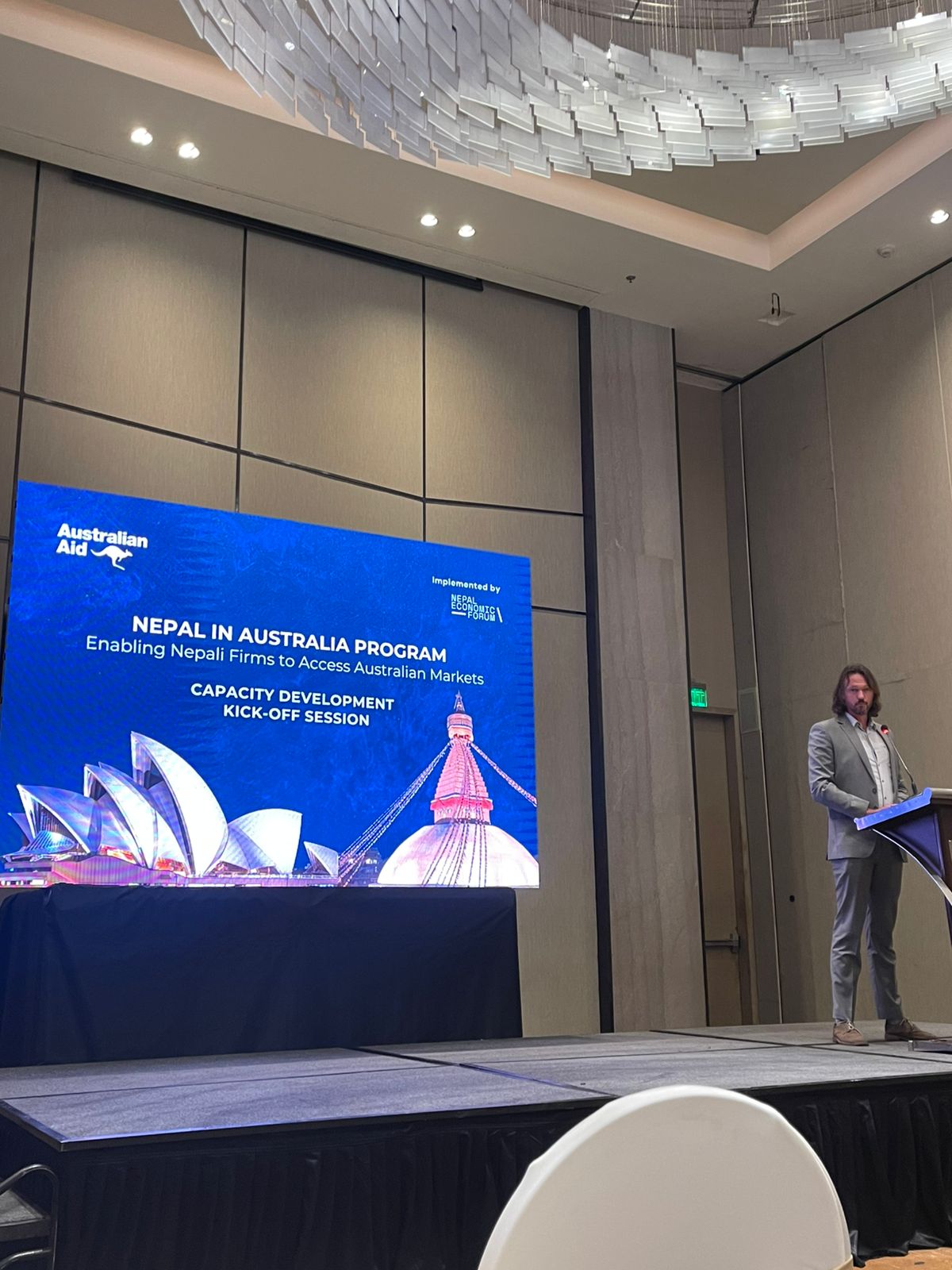
From small-scale cardamom projects to specialty products like chhurpi, Nepal possesses authenticity and uniqueness that Australian consumers value. However, success depends on more than product quality alone.
He listed some key areas of focus that Nepalese businesses should look into in order to make their product more appealing to the Australian market.
- Professional packaging and branding
- Strong marketing strategies
- Clear market access planning
- Understanding Australian customs regulations
- Meeting strict compliance and certification standards
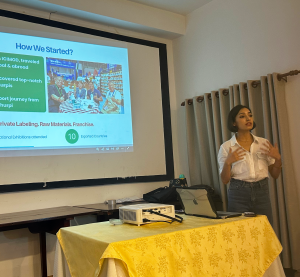
The opening remarks were followed by two technical sessions led by Mr. Suman Shakya, entrepreneur, certified trainer and small business consultant. His talks were targeted towards growth and resilience of businesses.
The first session was on Business Continuity Management and Preparation to Scale. His discussions centered around a critical theme: Scaling is not just about growth, it is about resilient growth.
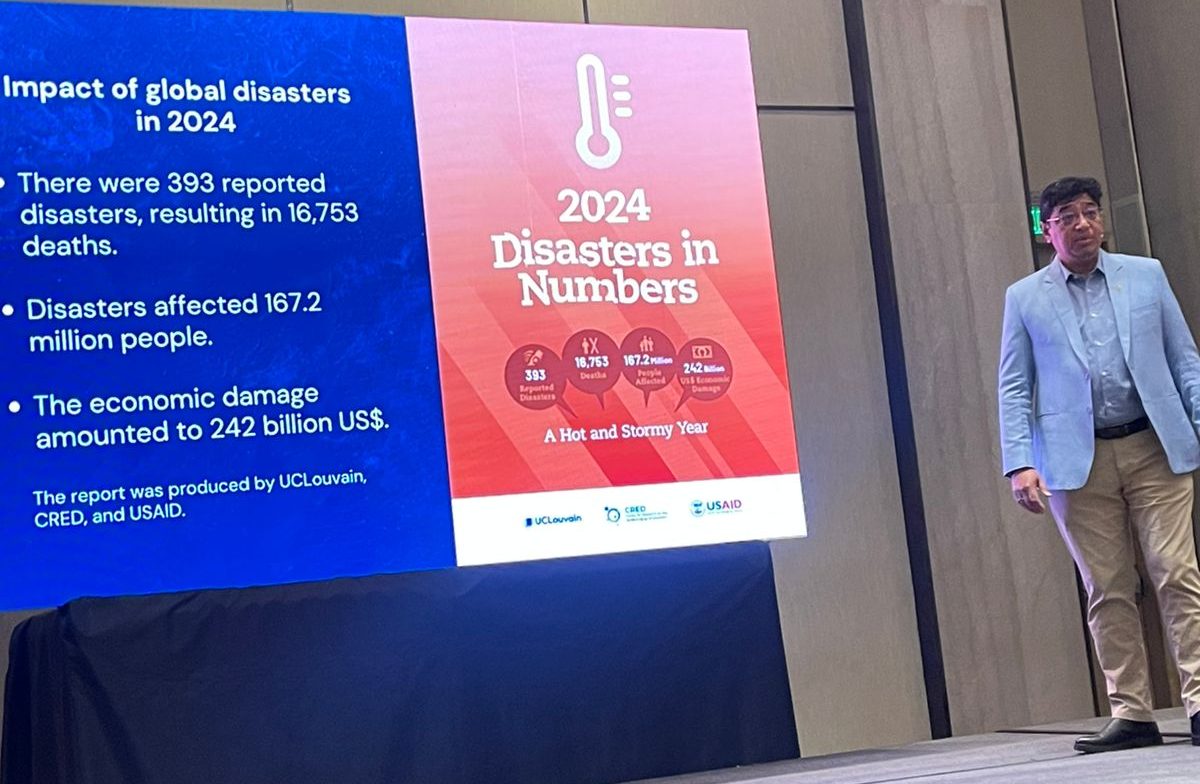
He also gave an insight on how businesses should be prepared for anything, including disaster preparedness.
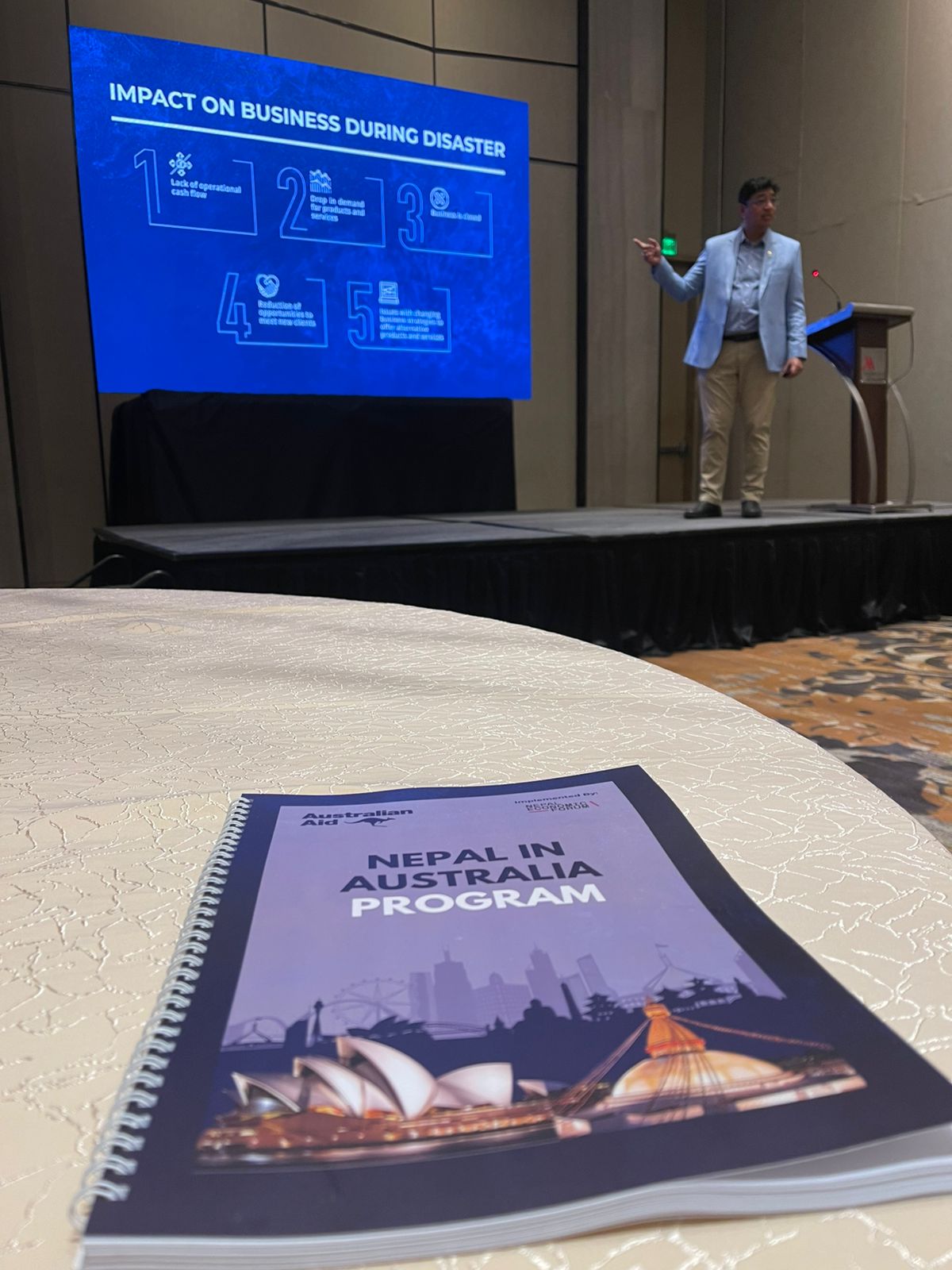
Nepali businesses have endured repeated shocks:
- The 2015 earthquake (causing approximately $5.17 billion in losses)
- The COVID-19 pandemic
- Recurring floods and climate-related disruptions
Yet many enterprises still operate without structured Business Continuity Plans (BCP) or Business Continuity Management (BCM) systems.
The session reinforced that:
- A BCP is not just documentation — it is a survival strategy.
- BCM is not theory — it is leadership under pressure.
- Preparedness determines whether disruption becomes collapse or recovery.
In the second session, Mr. Shakya talked about the Export Challenges and Australia’s strict policy. Along with this, one of the most valuable components of the program was the candid discussion among the participants.
Overall, the program served as an excellent platform for businesses and exporters to gain practical knowledge and strengthen their understanding of doing business in Australia from Nepal.


About author