








Unlocking Nepal’s Natural Fiber Economy: Insights from the 9th International Women’s Trade Expo
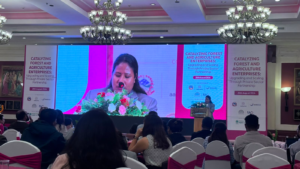
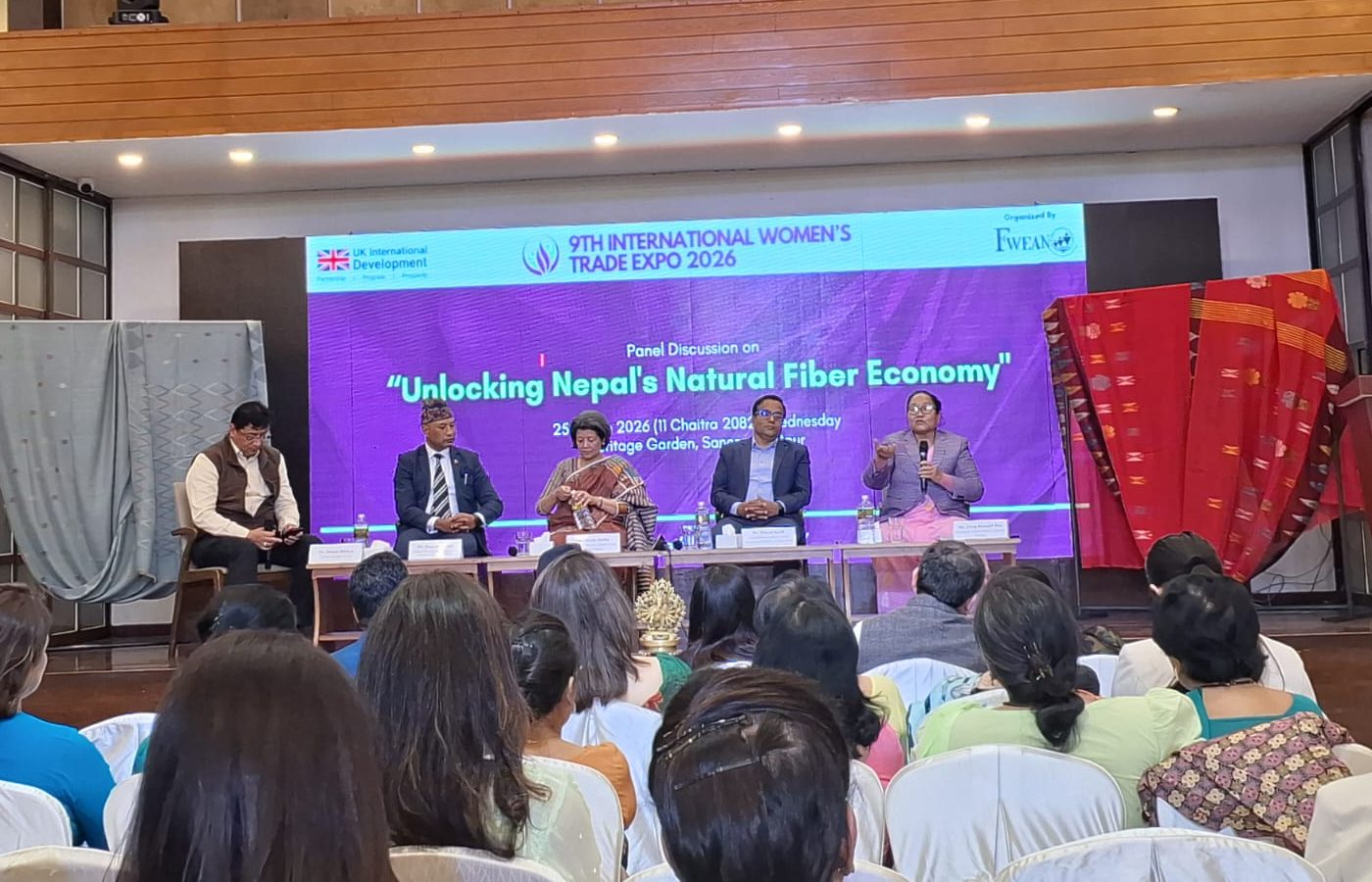
On March 26, 2026, the B2BNepal team had the opportunity to attend a thought-provoking panel discussion titled “Unlocking Nepal’s Natural Fiber Economy,” held as part of the International Women’s Trade Expo. The session brought together industry experts, policymakers, entrepreneurs, and grassroots leaders to explore the immense potential—and persistent challenges—within Nepal’s natural fiber sector.
The panel was moderated by Suman Shakya, founder of Tangent Waves, and featured a diverse lineup of speakers representing different facets of the industry. Among them were Rajendra Singh, Deputy Director of the Trade and Export Promotion Centre; Pawan Rizal, Chief Business Officer of Nepal Development Public Limited; Prem Kumari Pun, President of Chinari Mahila Sajhedhari Samuha; and Reeta Simha, Managing Director of AAMA Group of Industries.
Nepal’s Rich Natural Fiber Landscape
Nepal is uniquely positioned when it comes to natural fiber resources. From silk and wool to hemp, linen, cotton, banana fiber, and the highly valued allo (nettle fiber), the country boasts an abundance of raw materials that are increasingly in demand in the global market, especially as sustainability becomes a defining factor in the fashion and textile industries.
One of the most notable fibers is Pashmina, globally recognized for its premium quality and craftsmanship. Despite this wealth of resources, a recurring theme throughout the discussion was the gap between potential and realization. Simply put, Nepal has the raw materials, but has yet to fully capitalize on them.
Estimates suggest that Nepal’s natural fiber industry holds the potential to generate up to USD 10 billion. However, this figure raises a critical question: Is Nepal ready to unlock this opportunity? And if so, what steps are necessary to turn this potential into reality?
Bridging the Gap: Skills, Infrastructure, and Innovation
A major challenge highlighted during the panel was the lack of technical knowledge and modern infrastructure required to compete in international markets. According to Ms. Reeta Simha, traditional production methods, while culturally valuable, are no longer sufficient to meet global quality standards.
She emphasized the urgent need for investment in technology, research, and innovation to enhance the quality and consistency of Nepalese fibers. In addition, she pointed out the importance of strengthening design and fashion education to align local products with global trends. By doing so, Nepal can move beyond being a supplier of raw materials and position itself as a producer of high-value finished goods.
Another crucial aspect she highlighted was the need to recognize and build upon the generational skills of indigenous women. These communities have long been the backbone of Nepal’s natural fiber production, and empowering them with modern tools and knowledge could significantly accelerate industry growth.
The Role of Finance and Market Readiness
From a financial perspective, Mr. Pawan Rizal shed light on the challenges businesses face when seeking funding. Financial institutions, he explained, require clear evidence of market demand, consistent cash flow, and strong inventory management before extending loans.
This raises an important issue for the industry: value creation. It is not enough to produce goods, there must be a clear understanding of how these products will perform in the market. Are they competitive? Do they meet consumer expectations? And most importantly, can they generate sustainable returns?
Without answering these questions, scaling the industry becomes difficult. Therefore, building a market-oriented approach is just as important as improving production capabilities.
Positive Developments and Industry Momentum
Despite the challenges, there are promising developments within the sector. Mr. Rajendra Singh highlighted a significant milestone: the establishment of the first pashmina processing center in Harisiddhi, Lalitpur. This facility allows raw pashmina to be processed closer to its source, improving efficiency and maintaining quality.
Such initiatives are crucial for building a stronger value chain within Nepal. By expanding similar processing units across the country, Nepal can increase production capacity, ensure higher quality standards, and strengthen its position in the global market.
There was also discussion around the concept of developing cluster-based production systems, which could help streamline operations and improve competitiveness across different fiber industries.
Grassroots Realities and the Need for Policy Reform
While discussions around infrastructure, finance, and innovation are essential, Ms. Prem Kumari Pun brought attention to the realities at the grassroots level. Representing local producers and cooperatives, she voiced concerns about the lack of effective government support for the industry.
She highlighted issues such as inconsistent policies, lack of financial accountability, and insufficient monitoring of grants and subsidies. According to her, simply recognizing or honoring individuals in the sector is not enough. What is truly needed is structured support that ensures financial resources are properly utilized and reach those who need them most.
Her perspective underscored an important truth: the foundation of the natural fiber industry lies in its grassroots producers. Without empowering this level, through fair policies, skill development, and financial stability, the industry cannot achieve sustainable growth.
A Path Forward for Nepal’s Natural Fiber Economy
The panel discussion offered a comprehensive overview of Nepal’s natural fiber industry—its strengths, its challenges, and its untapped potential. It became clear that unlocking this sector requires a multi-dimensional approach.
Investment in infrastructure and technology must go hand in hand with policy reform and financial discipline. Education and skill development need to be prioritized, particularly in design and innovation. At the same time, grassroots communities must be empowered and integrated into the broader value chain.
Perhaps most importantly, there must be a shift in mindset, from exporting raw materials to creating high-value, market-ready products that can compete on a global stage.
Final Reflections
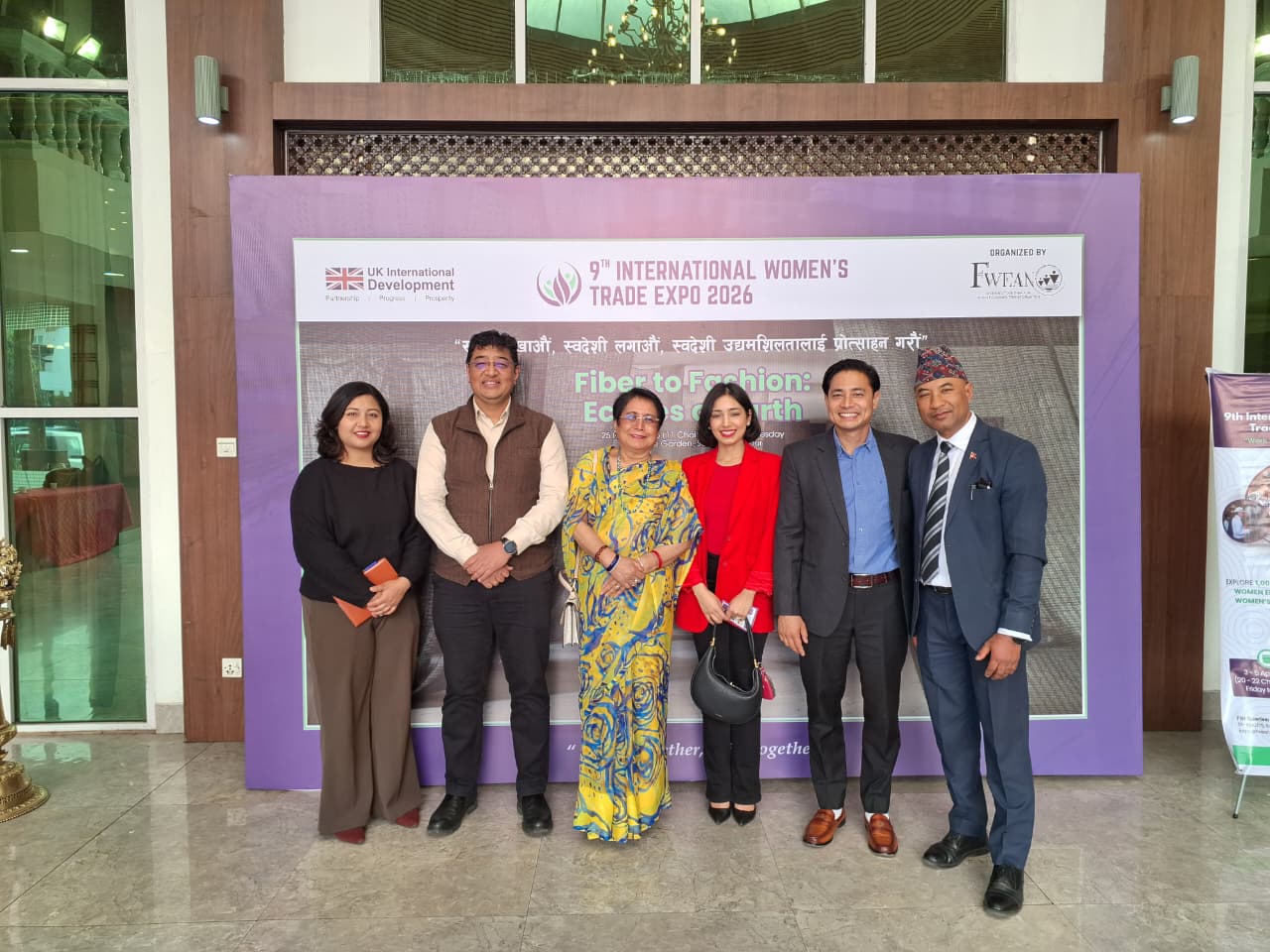
For the B2BNepal team, attending this panel was both insightful and inspiring. It highlighted not only the immense opportunities within Nepal’s natural fiber sector but also the collaborative effort required to realize them.
As global demand for sustainable and ethically sourced materials continues to rise, Nepal is well-positioned to become a key player in the natural fiber economy. With the right investments, policies, and partnerships, the country has the potential to transform its rich natural resources into a thriving, globally competitive industry.


About author