








Capacity Development Session II under the Nepal in Australia Program
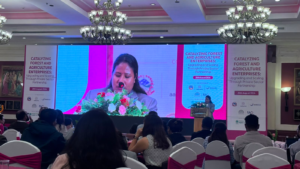
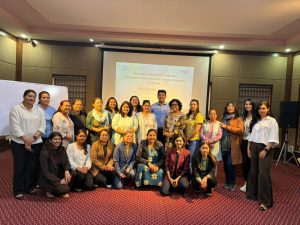
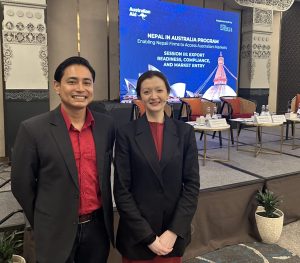
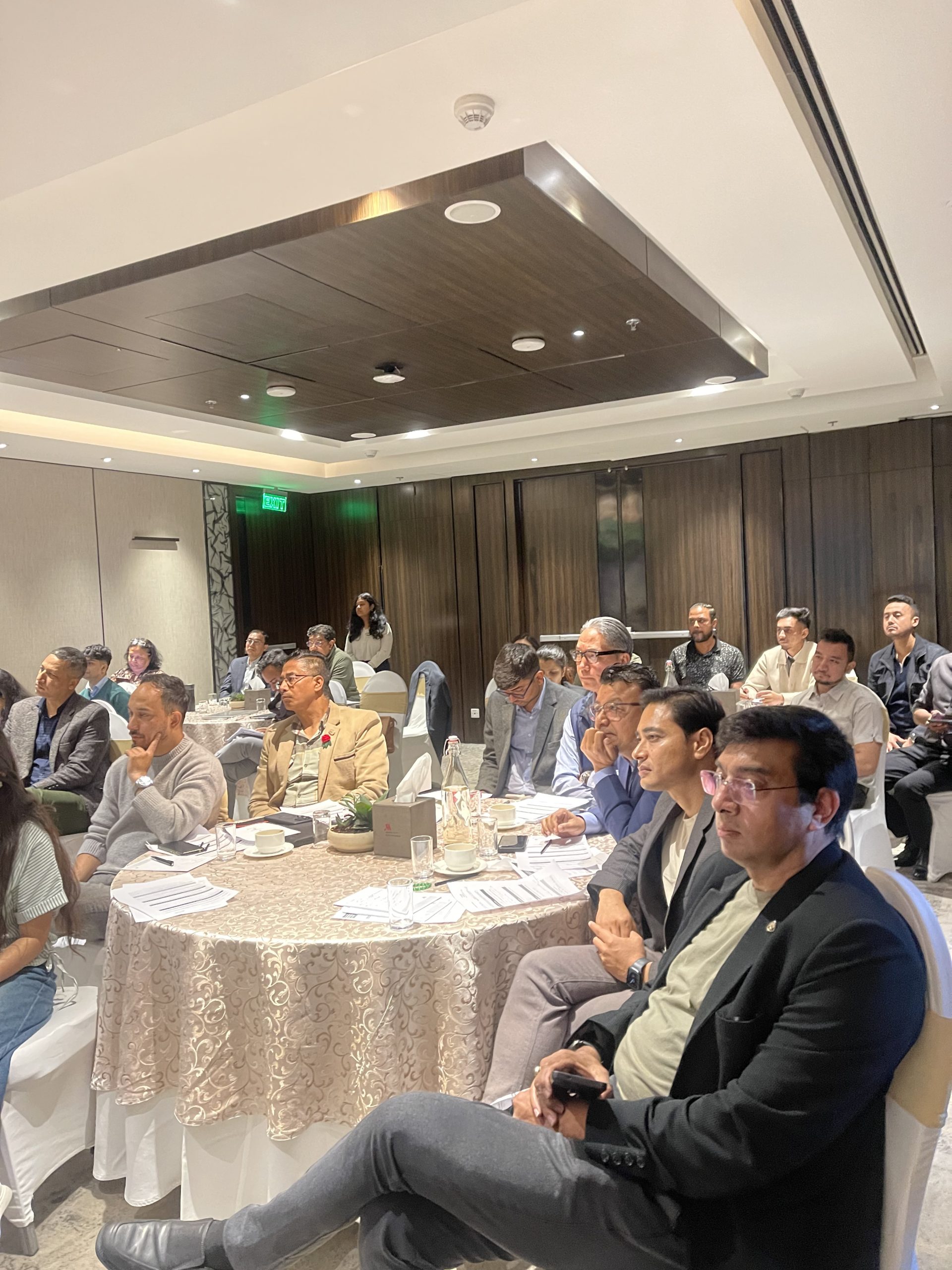
On April 9, 2026, industry professionals, entrepreneurs, and export-focused businesses gathered at Koshi Hall, Kathmandu Marriott Hotel for the second Capacity Development Session under the Nepal in Australia Program. Beginning at 9:00 AM, with registrations opening at 8:30 AM, the session brought together participants eager to strengthen their understanding of branding, communication, and market positioning for international trade, particularly targeting the Australian market.
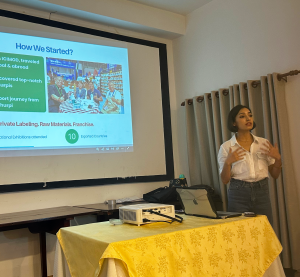
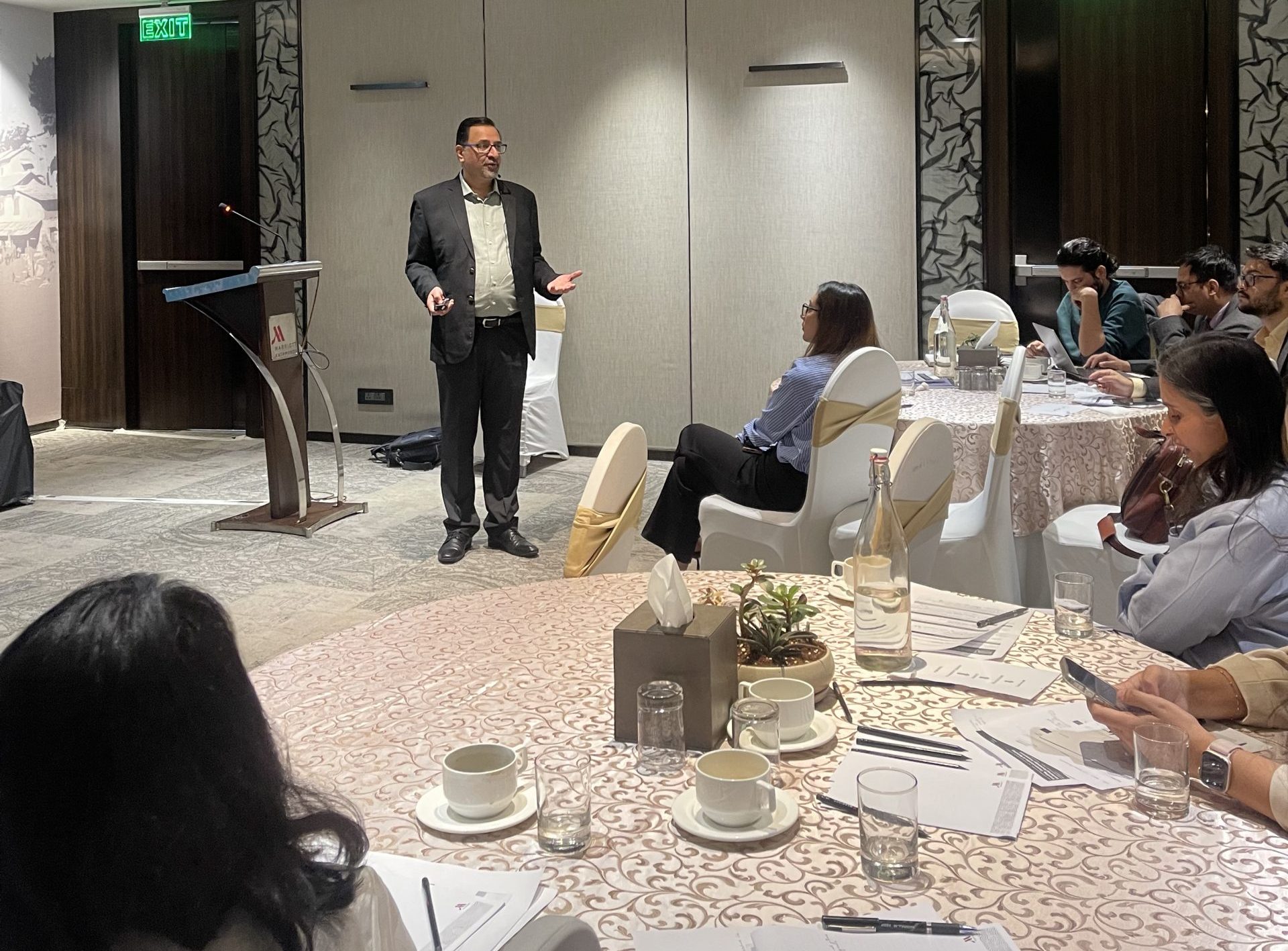
The session was facilitated by Rajneesh Chaturvedi, a seasoned consumer marketing expert with over two decades of experience across diverse industries. As the CEO of BeanstalkAsia and Co-Founder of Lokal Vokal, he brought a wealth of practical insights. His experience as a visiting faculty at premier institutions such as IIM Nagpur and NMIMS, along with his role as an External Advisor at McKinsey & Company, added depth and credibility to the discussions.
Session Highlights
The program was divided into two focused sessions:
- Brand Identity & Communication for Export
- Packaging, Brand Storytelling & Digital Marketing
Both sessions centered on preparing Nepali businesses to compete effectively in export markets, with a specific lens on understanding the expectations and behaviors of international buyers.
Key Takeaways
A major focus of the session was identifying common mistakes that hold brands back in today’s competitive export landscape. Many businesses, while rich in product quality and heritage, struggle with presenting themselves effectively to global audiences. The discussion emphasized that success in export markets is not just about the product, but how the product is positioned, communicated, and experienced.
One of the core frameworks discussed was the “Brand Superiority Framework” popularized by Unilever. Known as the 6 P’s, this model provides a comprehensive approach to building strong, competitive brands:
- Product – Delivering quality and relevance
- Price – Aligning with perceived value
- Place – Choosing the right distribution channels
- Proposition – Defining a compelling value offering
- Promotion – Communicating effectively to target audiences
- Pack – Creating impactful packaging that resonates with consumers
Participants were encouraged to critically assess their brands through this framework to identify gaps and opportunities for improvement.
Another key insight was the importance of selecting the right digital platforms for export. Rather than spreading efforts thin across multiple channels, businesses were advised to focus on two to three platforms that best reach their target audience, in this case, Australian buyers. Strategic platform selection ensures better engagement, stronger brand recall, and more efficient use of resources.
The Power of Storytelling in Export
A recurring theme throughout the session was the importance of brand storytelling. In international markets, especially those like Australia where consumers value authenticity and origin, storytelling becomes a powerful differentiator. A well-crafted brand story not only builds emotional connection but also establishes trust, recognition, and identity.
For Nepali products—many of which are rooted in tradition, craftsmanship, and cultural heritage, this presents a significant opportunity. By effectively communicating the story behind the product, brands can elevate their positioning from simply being “products” to becoming meaningful experiences for global consumers.
Conclusion
The Capacity Development Session II served as a valuable platform for businesses aiming to expand into export markets. With expert guidance, practical frameworks, and actionable insights, participants left with a clearer understanding of how to refine their brand strategy, improve market communication, and build a compelling presence internationally.
As Nepal continues to promote its unique products globally, such initiatives play a crucial role in bridging the gap between local excellence and international expectations, empowering businesses to not only enter but thrive in global markets.


About author