








What Makes Nepalese Handicrafts Globally Valuable?
Nepal has a rich history of craftsmanship that spans over a thousand years. A small himalayan country squeezed between India and China is a treasure trove of handcrafted goods. Nepal’s artistic heritage is inspired from its geography, diverse culture and rich heritage. Globally, Nepal’s handicraft is well known for its intricate detailing, unique and colorful patterns and a rich history.
Are you considering importing products from Nepal? Here are 8 reasons that make Nepal globally valuable.
1. Rich Cultural Heritage
Nepalese handicrafts are deeply rooted in the country’s centuries-old traditions. Nepal is diverse in ethnicity, language, religion and culture. Nepal’s different ethnic communities all have their own unique traditions. Their crafts have been preserved over hundreds of years and have served many purposes whether its spiritual, artistic or utility. These handicrafts have created a legacy spanning over a thousand years.
2. Skilled Artisan Craftsmanship
Perfecting the art of handicraft requires years of dedication, discipline, and patience. Many artisans begin mastering their craft from a young age, refining techniques that have been passed down through generations. For countless families, handicraft is more than a profession—it is a cherished legacy. This rich tradition preserves exceptional craftsmanship, authenticity, and cultural heritage in every piece.
3. Natural and Sustainable Materials
Local handicrafts are often manufactured using locally sourced materials. These materials are generally natural or organic. Nepalese handicrafts often use eco-friendly materials such as lokta paper (extracted from Daphne bholua), hemp, bamboo, allo fiber, felt and natural dyes. This appeals to environmentally conscious buyers. Many of these products are still manufactured using traditional methods with manual labor or hand held machines. This means that there is less energy being exerted to manufacture these items.
4. Unique and Authentic Designs
Nepalese handicrafts are inspired by the surrounding landscapes, nature and religion. Nepal is a geographically diverse country, hence it provides limitless inspiration for craftsmen to produce traditional as well as new designs. Each handcrafted item has a distinctive identity which cannot be mass-produced. Consumers understand that slight variations are part of the product’s charm rather than defects.
5. Spiritual and Himalayan Connection
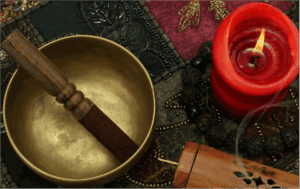
The world recognizes Nepal as a spiritual hub with the essence of the Himalayas. Thus, spiritual and religious items manufactured in Nepal have a special charm and are often labeled as “Made in the Himalayas” which provides a strong emotional and cultural appeal. Products like singing bowls, prayer flags, incense, statues, thangka paintings, and meditation accessories benefit from Nepal’s image as the home of the Himalayas and the birthplace of Lord Buddha.
6. Ethically Produced
Almost 80% of handcrafted items from Nepal are manufactured by women. Along with this, many enterprises work with women-led groups, rural communities, and fair trade organizations. Handicraft manufacturers provide an income generating source for many communities in Nepal. This also helps to protect their traditional heritage. Organizations like fair trade ensure that the artisans receive a fair price for their beautiful crafts. Preserving the Nepalese handicraft industry creates a positive social impact while also preserving traditional livelihoods.
7. Premium Handmade Quality
Unlike factory-made products, Nepalese handicrafts emphasize attention to detail, durability, and individuality, making every piece unique and highly valued in international markets. Each product is made by hand, and there are stories woven into each part of the products. In an age of AI, handmade products have become rare and more valuable as they have the essence of a human. No two handmade products are the same, from conceptualization to the finished product.
8. Strong Global Market Appeal
Handmade products carry a certain charm that is loved worldwide. Whether it is the underlying stories, the people who make them or the exotic nature of its origins. The growing consumer demand for sustainable, artisanal, and culturally authentic products has increased the popularity of Nepalese handicrafts. Retailers, interior designers, gift shops and conscious consumers worldwide prefer Nepalese handicrafts for its authenticity, mystical element, colorful designs, sustainability and functionality.
Nepal Handicraft Export Company
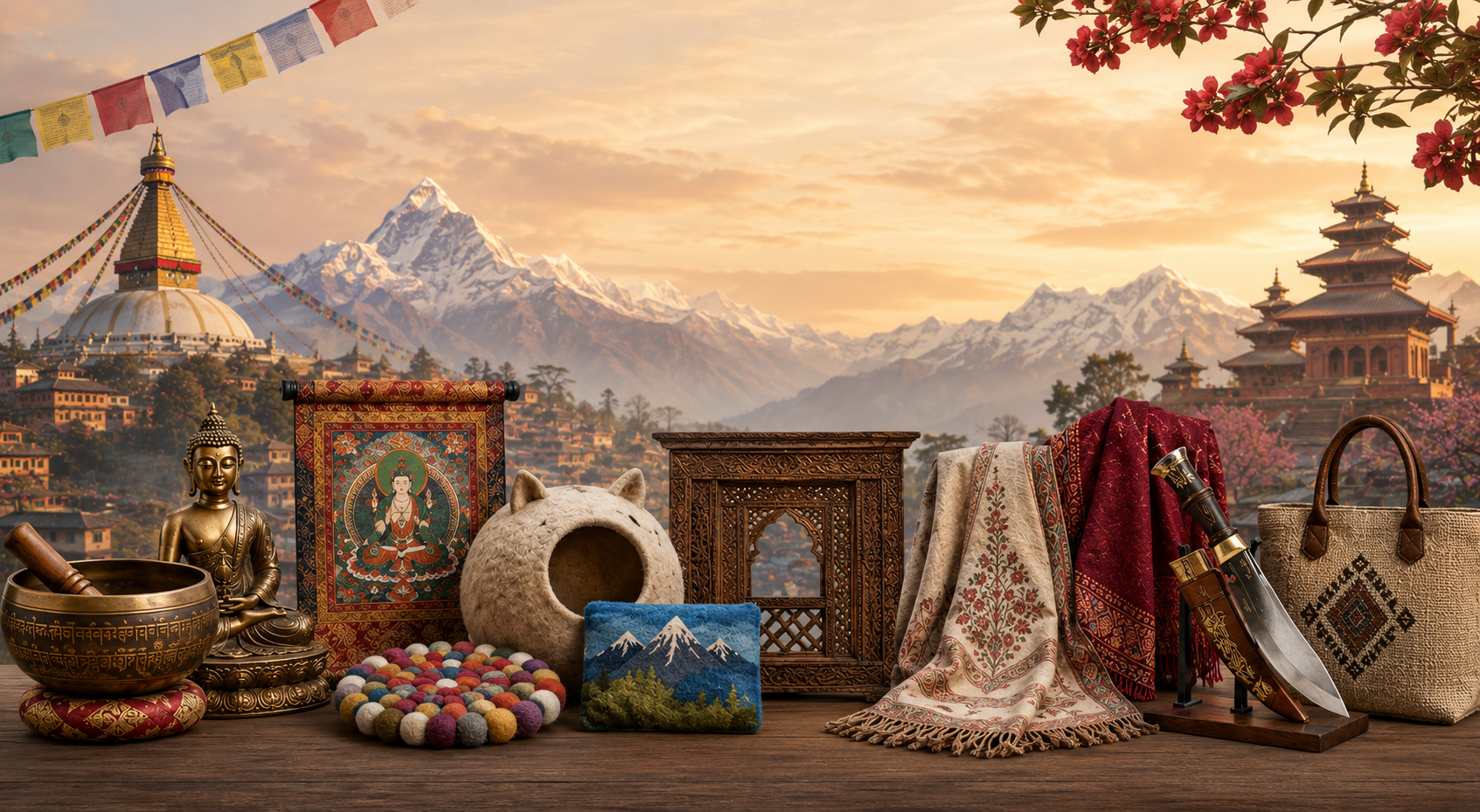
Nepalese handicrafts are valued worldwide for their authenticity, uniqueness and beauty. Are you looking to import Nepalese handicrafts such as singing bowls, Pashmina and cashmere, felt items, kukri, statues and more?
Partner with B2BNepal and let our export specialists simplify your sourcing journey. From authentic Nepalese products to logistics, documentation, and shipping, we manage the entire export process so you can focus on growing your business.


About author