









From Local to Global: Rethinking Nepal’s Garment Industry
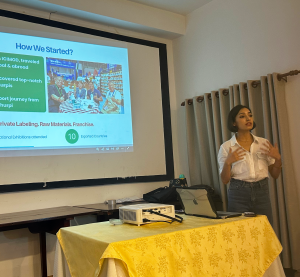
The B2BNepal team had the opportunity to attend an insightful and engaging program titled “Internationalizing Nepali Apparel Firms” on March 25, 2026—a day dedicated to exploring the future of Nepal’s garment industry in an increasingly globalized market. The event brought together key stakeholders, industry experts, policymakers, and private sector representatives, all united by a shared goal: strengthening Nepal’s position in the international apparel sector.
The program was jointly organized by the Garment Association of Nepal (GAN) and South Asia Watch on Trade, Economics and Environment (SAWTEE), in collaboration with International Labour Organization. The session commenced with a warm welcome from GAN President, Pashupati Dev Pandey, who set the tone for a forward-looking discussion on the opportunities and challenges facing the apparel industry.


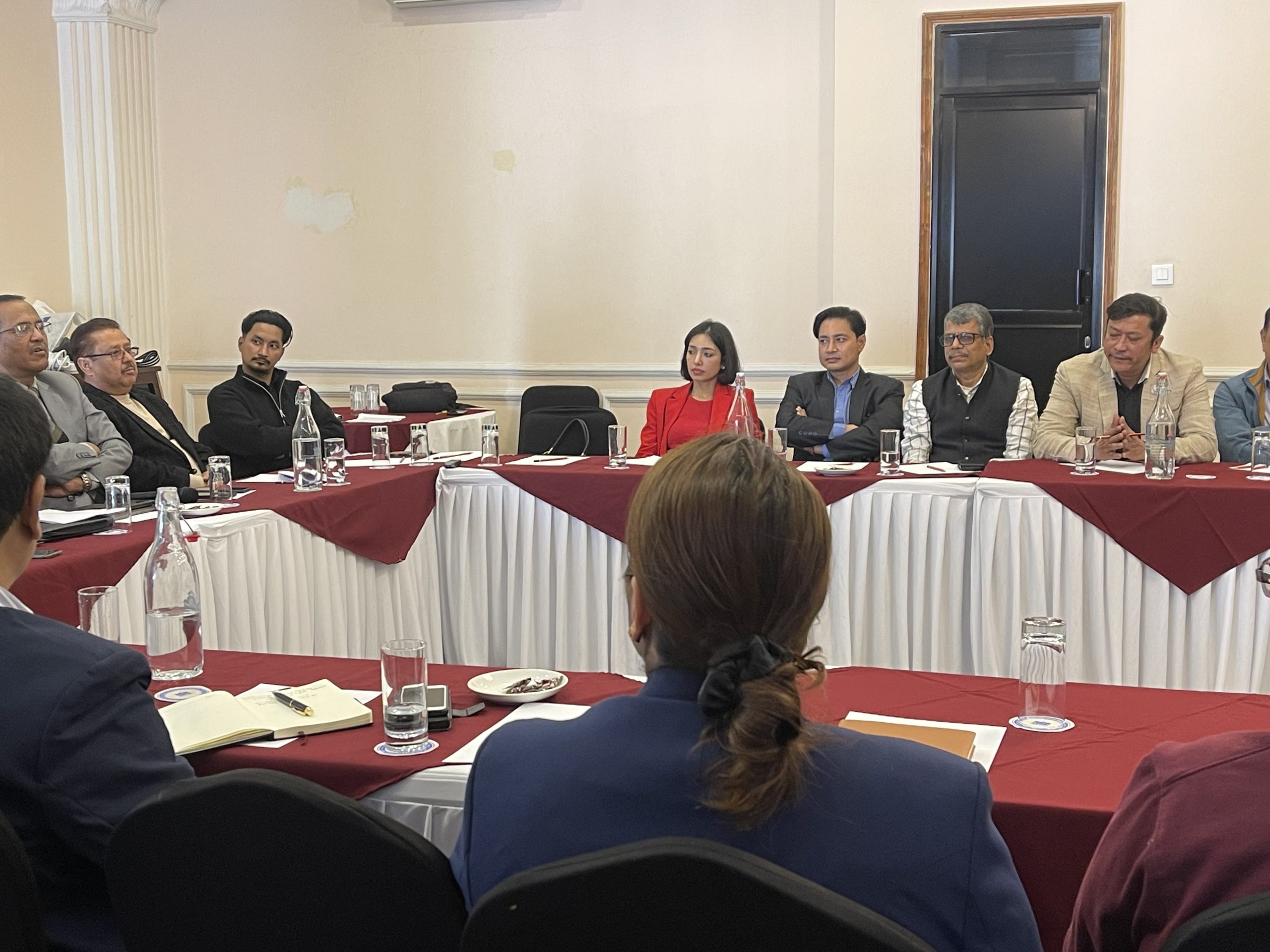
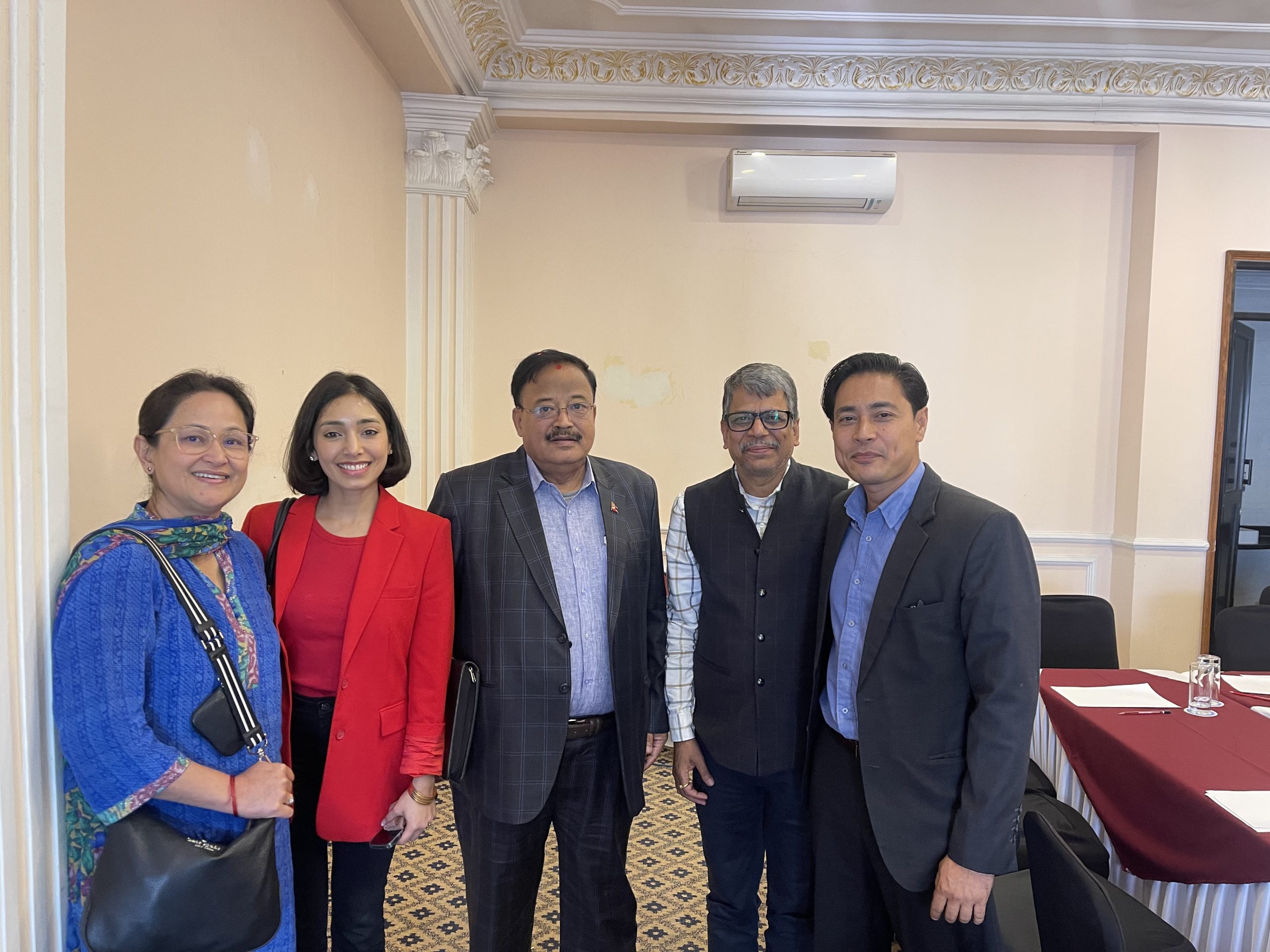
The event was skillfully moderated by SAWTEE Vice President, Ravi Shankar Sainju, ensuring a dynamic flow of ideas and perspectives throughout the session. The program featured in-depth presentations from SAWTEE Executive Director, Paras Kharel, and transportation expert, Rajan Sharma. Their insights were complemented by the presence of notable figures such as TEPC Executive Director Sarad Bikram Rana, National Planning Commission Program Director Anita Poudel, along with several representatives from the private sector.
 In his address, Mr. Pandey emphasized the urgent need to improve infrastructure within Nepal’s garment industry. He highlighted that strengthening production facilities and systems is essential for enhancing the overall quality of finished products. Additionally, he pointed out that outdated customs procedures and policy frameworks continue to hinder growth, calling for timely reforms to align Nepal with international standards.
A key theme that emerged during the discussions was the growing importance of digital transformation. With the rapid rise of e-payment systems worldwide—and increasing adoption within Nepal—speakers stressed the necessity of establishing efficient, secure, and well-regulated payment gateways. The development of e-commerce infrastructure was also identified as a critical area for improvement. From order placement to final delivery, streamlining the entire process is vital for meeting global consumer expectations and ensuring competitiveness.

Another pressing concern discussed was the need for improved internet connectivity and accessibility across the country. Reliable digital infrastructure, participants noted, is the backbone of modern trade and e-commerce, and without it, Nepal risks falling behind in the global market.
Mr. Rajan Sharma provided valuable insights into the importance of building competitiveness within Nepal’s garment sector. He emphasized that in today’s fast-paced and highly competitive environment, technical expertise and efficiency are essential. Rather than focusing solely on scaling production, he encouraged businesses to prioritize trust, quality, and consistency—factors that play a crucial role in building long-term relationships with international buyers. According to him, being reliable often outweighs being the cheapest option in the market.
The discussion also touched on global uncertainties, including ongoing geopolitical tensions such as conflicts in the Middle East. These factors, speakers noted, can disrupt supply chains and impact trade routes. As a result, Nepali apparel businesses must remain vigilant and proactive, exploring alternative strategies and diversifying their markets to mitigate risks.
Overall, the program served as a comprehensive platform for dialogue and reflection on the current state and future direction of Nepal’s garment industry. For the B2BNepal team, attending this event was an eye-opening experience. It offered valuable insights into both the challenges and opportunities that lie ahead, reinforcing the importance of innovation, policy reform, and collaboration in driving the industry forward.
As Nepal continues its journey toward internationalization, such discussions play a crucial role in shaping a more resilient, competitive, and globally recognized apparel sector.


About author