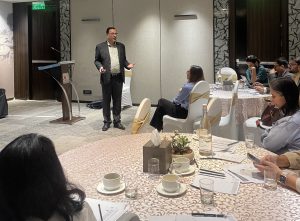









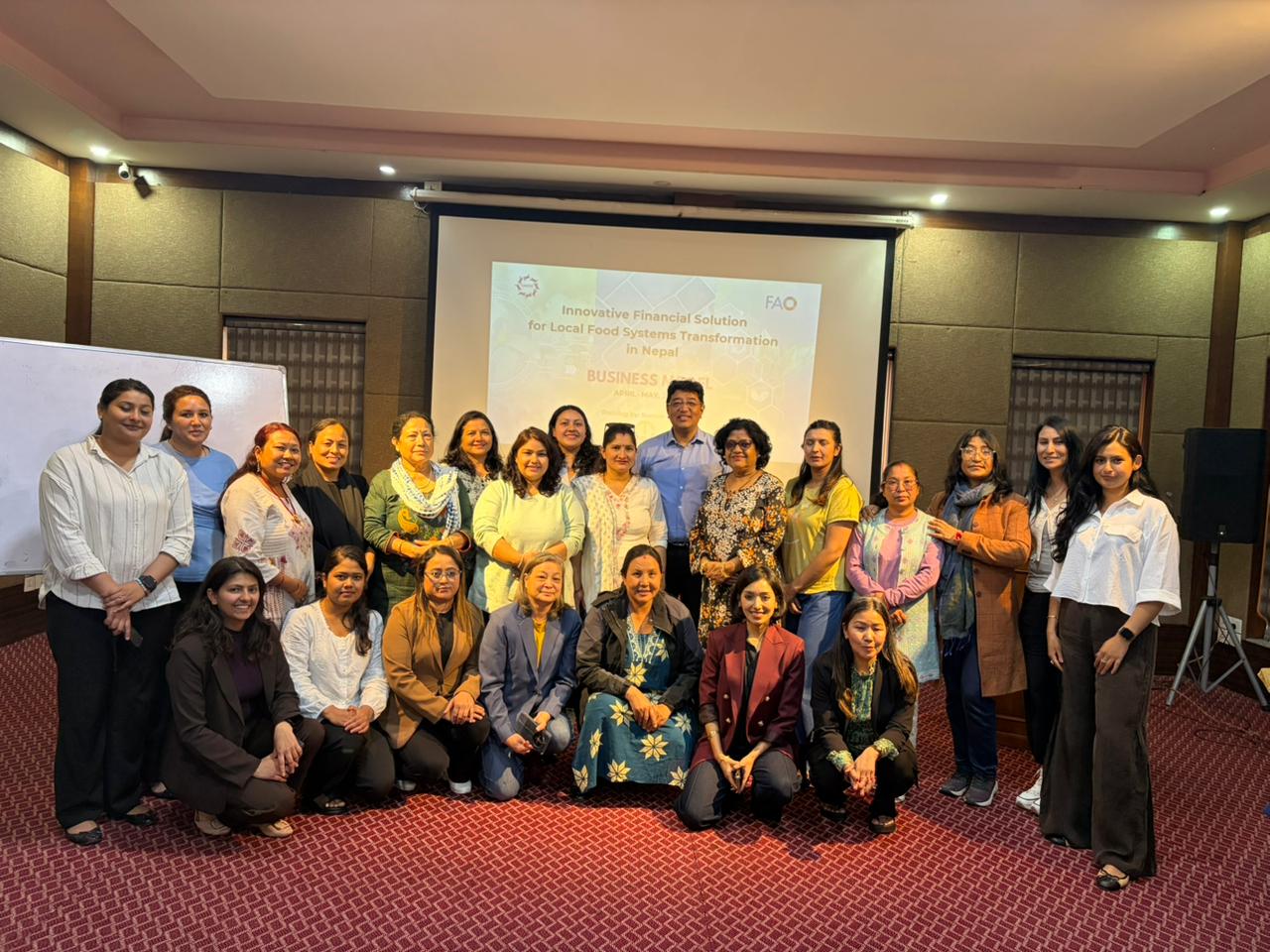
First Phase of SAWDF Women’s Training Program
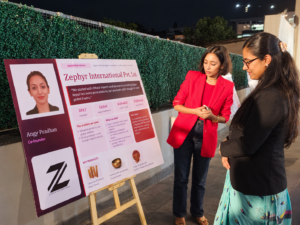
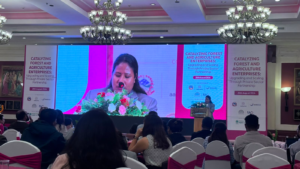
The first phase of the 9-month Women’s Training Program organized by the South Asian Women Development Forum – Nepal officially began on 29 April. On behalf of b2bnepal.com, Ms. Angy Pradhan, Chief Operating Officer (COO) of Zephyr International joined the program as a participant.
Conducted in collaboration with the Food and Agriculture Organization of the United Nations, the program brings together women entrepreneurs for an extensive learning experience focused on strengthening businesses and building sustainable growth.
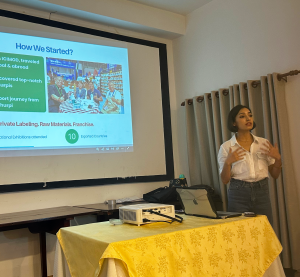
The first phase consisted of five intensive sessions led by Suman Shakya, Founder of Tangent Waves. Throughout the sessions, 20 women entrepreneurs worked together to better understand how businesses are built, managed, and scaled.
Understanding Business Models and Business Plans
The first day focused on the Business Model Canvas Framework and the difference between a business model and a business plan.
One of the key takeaways was understanding that a business model helps visualize how a business creates and delivers value, while a business plan provides a detailed roadmap for execution and growth.
Using the Business Model Canvas allowed participants to map out important aspects of their businesses, including customer segments, revenue streams, and cost structures. Meanwhile, creating a business plan helped organize areas such as market analysis, marketing and sales strategies, management structure, and financial projections.
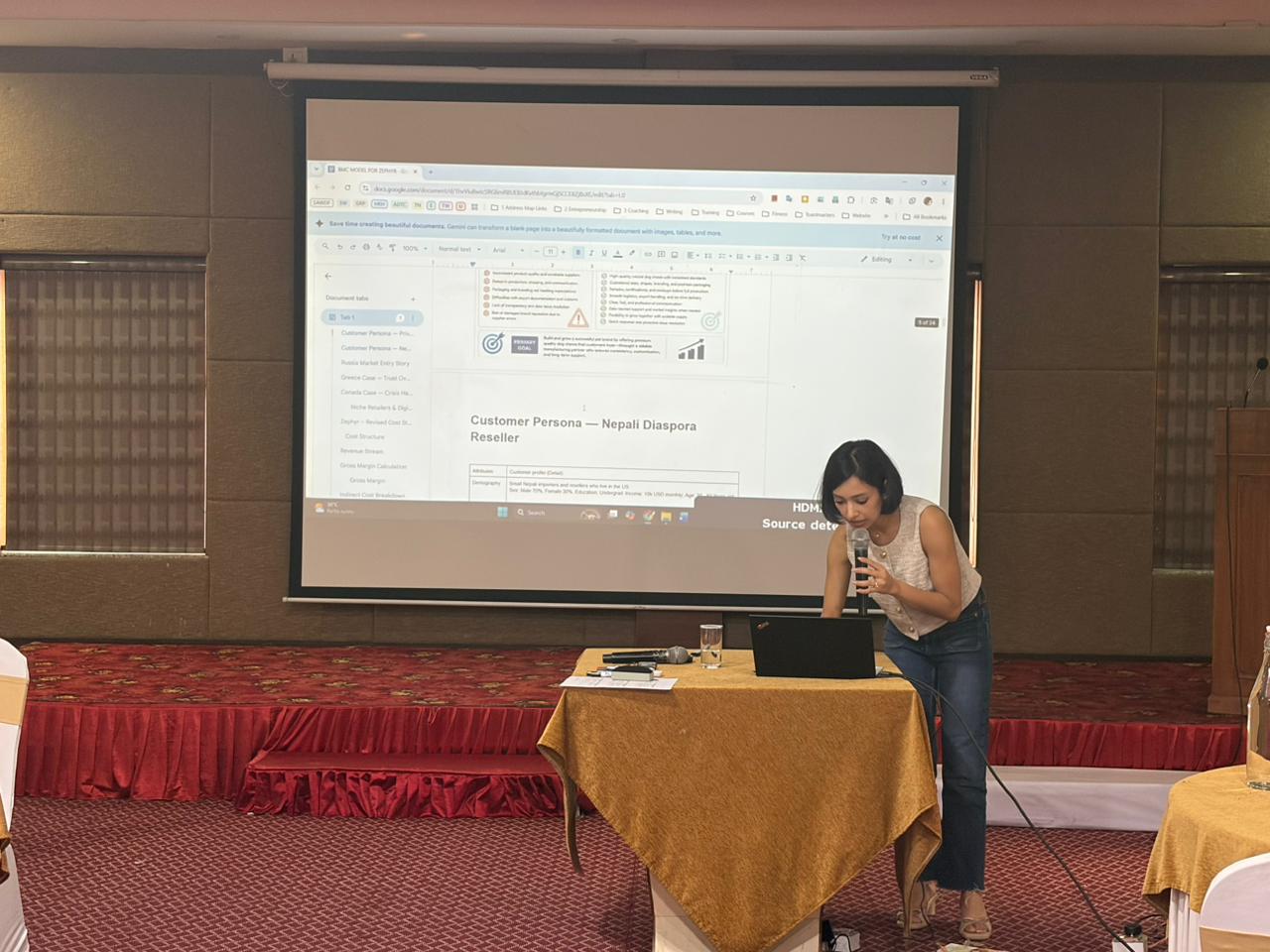
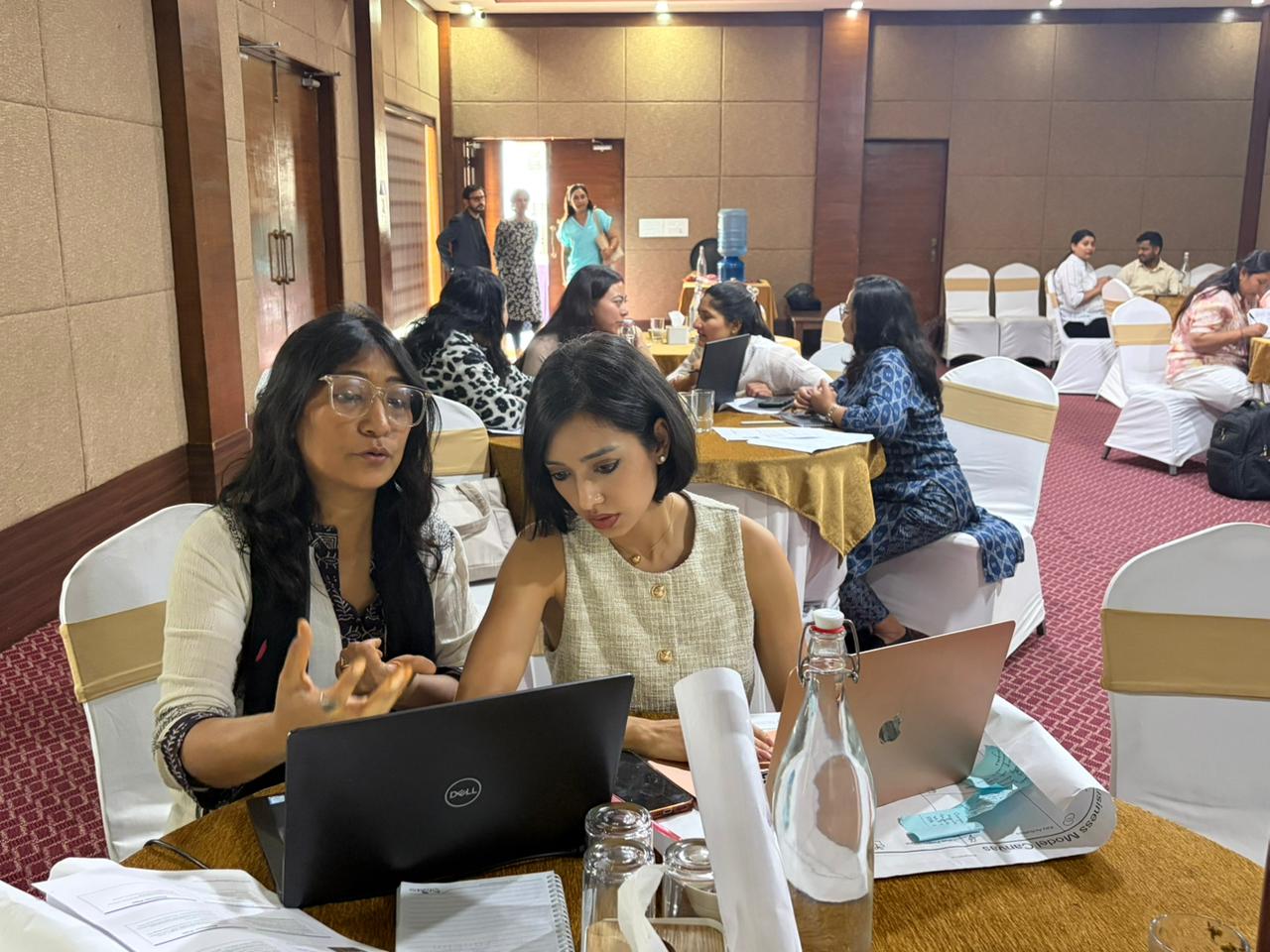
Learning the Importance of Customer Validation
Day two revolved around customer validation and the importance of truly understanding customers before building solutions for them.
The session encouraged entrepreneurs to ask deeper questions:
Who are the customers?
Where are they located?
How do they think and behave?
Is there a clearly identifiable customer segment?
The discussions highlighted how understanding customer problems is essential for creating products and services that genuinely solve real needs.
Building a Strong Value Proposition
On the third day, participants explored the concept of value proposition — the unique value a business offers to its customers.
The training introduced three important elements of a value proposition: gain creators, pain relievers, and products & services. Pain relievers focus on solving customer problems, while gain creators help businesses think beyond expectations and deliver additional value. Products and services, on the other hand, cover the practical features and offerings of a business.
Participants also learned about perceptual mapping, a useful tool that helps visualize how customers perceive a brand compared to competitors.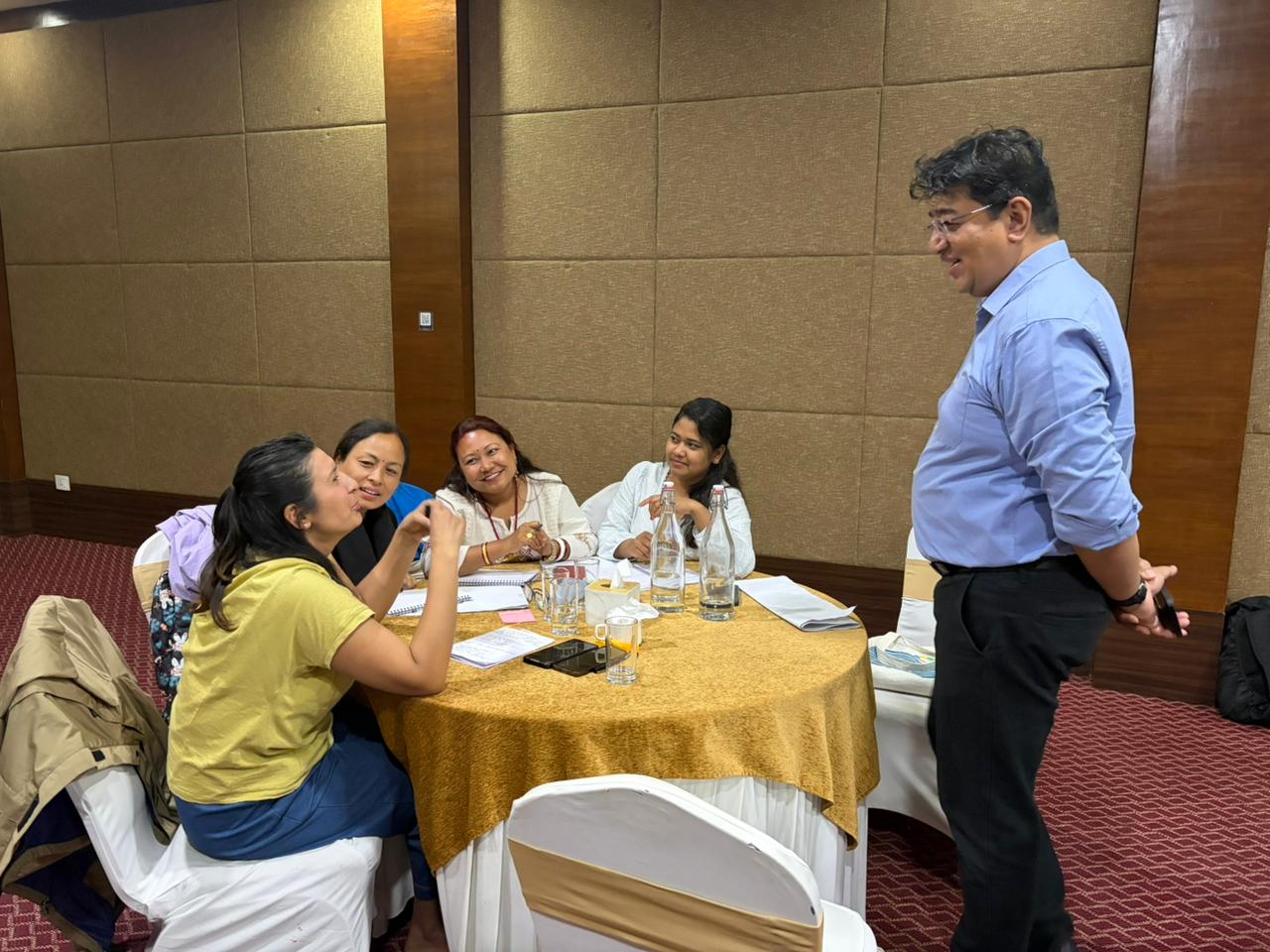
Marketing and Customer Relationships
Day four focused on marketing and customer relationships.
A major learning point was the 7 Ps of marketing: Product, Price, Place, Promotion, People, Process, and Physical Evidence. The session emphasized how each of these elements plays an important role in shaping customer experience and building stronger relationships with target audiences.
Key Resources, Activities, and Partnerships
The final day explored the operational side of building a successful business.
Participants learned about different types of key resources businesses require, including physical and technical resources, human resources, legal and intellectual resources, raw materials, and financial and digital resources.
The session also highlighted the importance of key activities — the core actions a business must perform effectively for its business model to work. Entrepreneurs were encouraged to think critically about which activities are most crucial to their operations.
Another major focus was operational planning. Areas such as process execution, supply chain management, capacity optimization, and quality control were discussed as critical components for smooth business operations.
The training further emphasized that businesses do not operate alone. Strong partnerships with suppliers, collaborators, and stakeholders are essential for long-term sustainability and growth. Participants also reflected on the importance of understanding the total cost involved in running a business or manufacturing a product.
Looking Ahead
Overall, the first phase of the training program provided an insightful and practical learning experience for all participants. It offered an opportunity to deeply reflect on what truly goes into building sustainable business models and creating value-driven enterprises.
The B2BNepal team looks forward to learning more in the upcoming phases of the program and would like to express sincere gratitude to the South Asian Women Development Forum – Nepal for creating such a meaningful platform for women entrepreneurs.


About author