








Matchmaking Entrepreneurs with Investors to Support Nepal’s Forest and Agriculture Enterprises
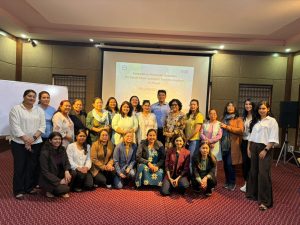
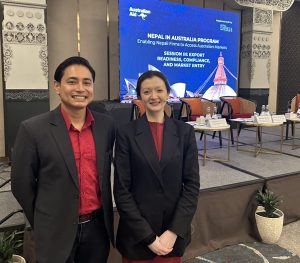
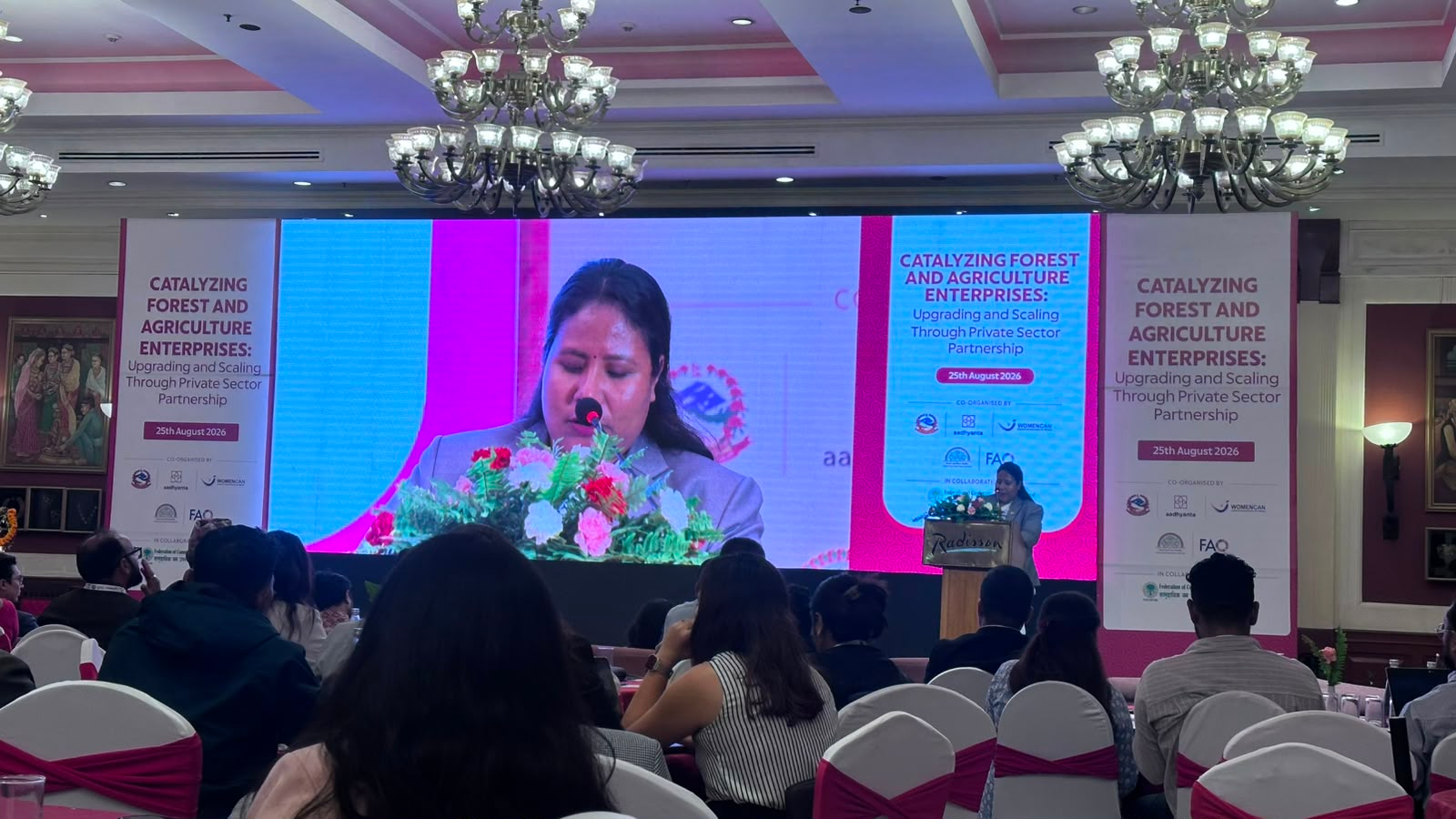
Kathmandu, August 25, 2026 — A diverse group of entrepreneurs, investors, policymakers, financial institutions, and development partners came together at the Radisson Hotel in Kathmandu for the program “Catalyzing Forest and Agriculture Enterprises: Upgrading and Scaling Through Private Sector Partnership.”
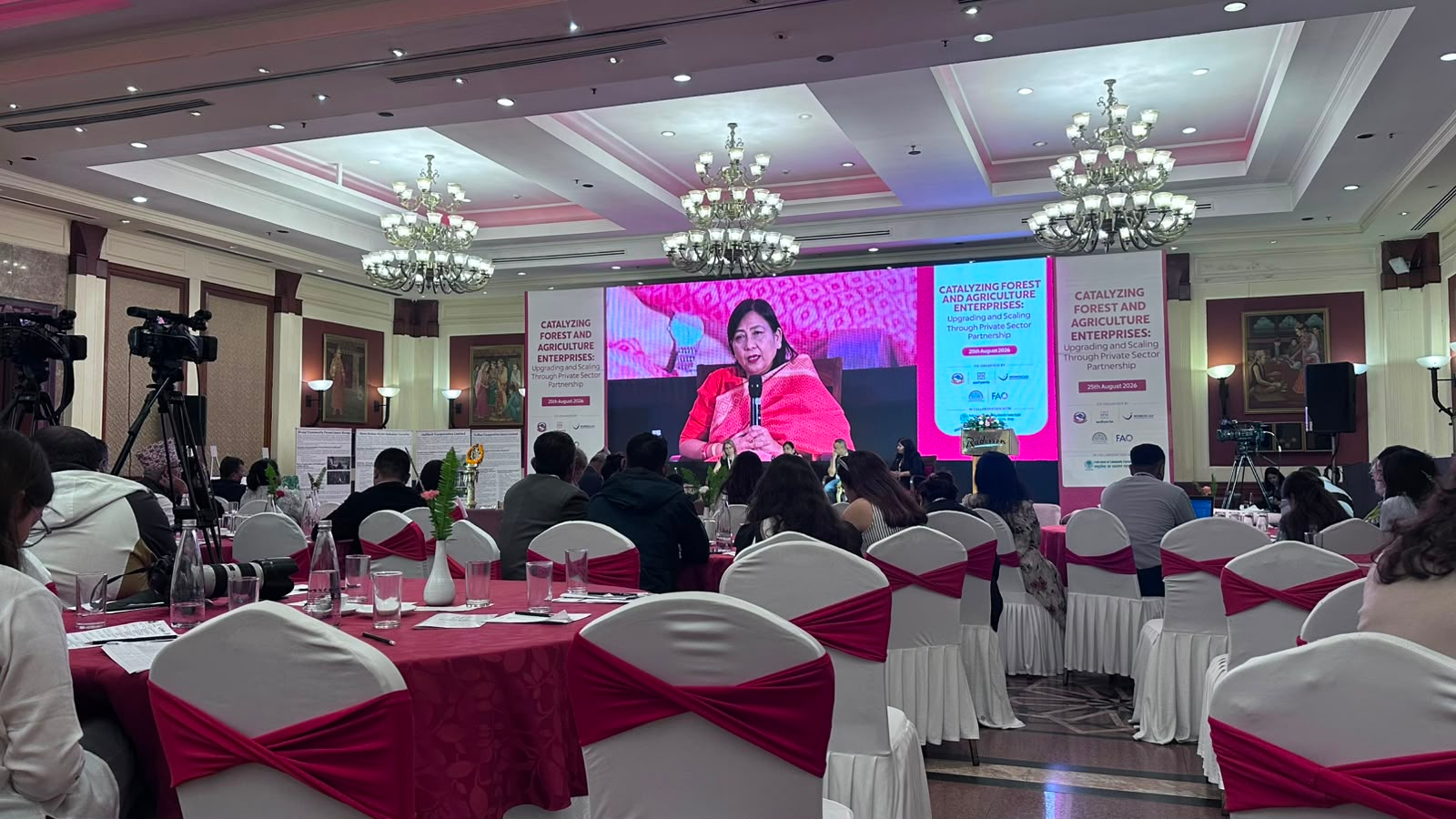
The full-day event focused on exploring practical ways to support Nepal’s forest and agriculture enterprises as they move from early-stage development toward sustainable growth and scale. Through panel discussions, enterprise exhibitions, investor matchmaking, and knowledge-sharing sessions, the program created an important platform for dialogue and collaboration between key stakeholders.
Strengthening Enterprises Through Partnerships
One of the key themes throughout the program was the importance of building stronger partnerships between the private sector, government, financial institutions, enterprises, and development organizations.
While Nepal has significant potential in forest and agriculture-based businesses, many enterprises continue to face challenges related to financing, market access, certification, business development support, and investment readiness. The discussions highlighted the need to move beyond basic handholding and provide enterprises with the tools, networks, and strategic support required to grow and compete in larger markets.
The program opened with remarks and participation from representatives of the Ministry of Agriculture, Forests and Environment, the National Planning Commission, FAO Nepal, and other key stakeholders, setting the stage for discussions around the future of Nepal’s forest and agriculture enterprise ecosystem.
From Handholding to Scaling
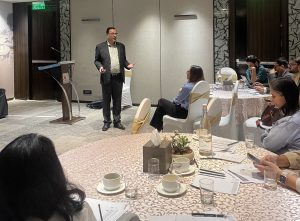
The first knowledge-sharing panel, “From Handholding to Scaling: Business Development Service Support for Growing Enterprises,” explored how enterprises can be supported throughout different stages of their growth journey.
The discussion emphasized that business development services must evolve alongside the enterprise. Entrepreneurs require more than initial training and technical assistance; they also need support in areas such as business planning, market connections, investment readiness, compliance, branding, and operational growth.
For enterprises with the potential to scale, access to the right ecosystem of support can play a significant role in transforming promising ideas into sustainable and competitive businesses.
Connecting Enterprises with Investors
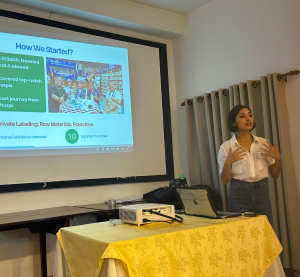
A major highlight of the program was the Investor–Enterprise Matchmaking Event, where six enterprises—including forest and farm producer organizations and private companies—had the opportunity to pitch their businesses.
The session provided entrepreneurs with direct exposure to potential investors and financial partners while allowing investors to better understand the opportunities emerging from Nepal’s forest and agricultural sectors.
Such platforms are particularly important for enterprises that often struggle to access appropriate financing despite having strong products, market potential, and social or environmental impact.
Exploring Green, Smart and Inclusive Financing
The second knowledge-sharing panel, “From Barriers to Bridges: Financing Models for Forest & Agro-Enterprises,” focused on the financial challenges facing businesses in these sectors.
The discussions explored the importance of developing financing models that are not only commercially viable but also green, smart, and inclusive. Traditional financing mechanisms may not always align with the realities of agricultural and forest-based enterprises, which can face seasonal production cycles, longer investment periods, environmental risks, and limited access to collateral.
The conversation reinforced the need for innovative financial solutions that can help bridge the gap between promising enterprises and the capital required for sustainable growth.
Advancing Gender-Inclusive Investment
Another important highlight of the event was the concept sharing of the Gender-Lens Equity Fund, Simrik Naari Fund.
The initiative reflected the growing importance of incorporating gender considerations into investment and enterprise development. Gender-lens financing has the potential to create greater opportunities for women-led and women-focused businesses while encouraging more inclusive participation within Nepal’s economic landscape.
By creating investment mechanisms that recognize the unique challenges and opportunities faced by women entrepreneurs, such initiatives can contribute to more equitable and sustainable enterprise growth.
Addressing Certification Challenges
The program also included a briefing on the certification challenges faced by Nepalese agro and forest-based honey products, presented by Himaida Nepal.
The session highlighted an important reality for enterprises looking to expand into new and international markets: producing a quality product is only one part of the journey. Businesses must also navigate certification requirements, quality standards, traceability, regulatory compliance, and other market-entry requirements.
Strengthening knowledge and support around these areas will be essential for helping Nepalese enterprises access higher-value markets and build greater trust among buyers.
Creating a Stronger Ecosystem for Growth
The enterprise exhibition, panel discussions, investor matchmaking sessions, and recognition of participating enterprises collectively demonstrated the value of bringing different parts of the business ecosystem together.
Programs such as “Catalyzing Forest and Agriculture Enterprises: Upgrading and Scaling Through Private Sector Partnership” provide an important space for conversations to move toward action. They encourage stronger connections between entrepreneurs and investors, create opportunities for knowledge exchange, and highlight the role that coordinated partnerships can play in overcoming barriers to growth.
As Nepal continues to explore opportunities within its agriculture and forest sectors, the path forward will require collaboration between enterprises, government agencies, financial institutions, investors, and development partners.
The key message from the day was clear: Nepal’s forest and agricultural enterprises have significant potential, but unlocking that potential will require the right combination of investment, business support, market access, innovation, and strategic partnerships.
By creating stronger bridges between enterprises and the resources they need to grow, Nepal can help transform promising local businesses into scalable, sustainable enterprises that generate economic opportunities while also supporting communities and environmental sustainability.
The event concluded with a summary of the day’s outcomes and a discussion on the way forward, reinforcing the shared commitment to supporting the next stage of growth for Nepal’s forest and agriculture enterprises.


About author