








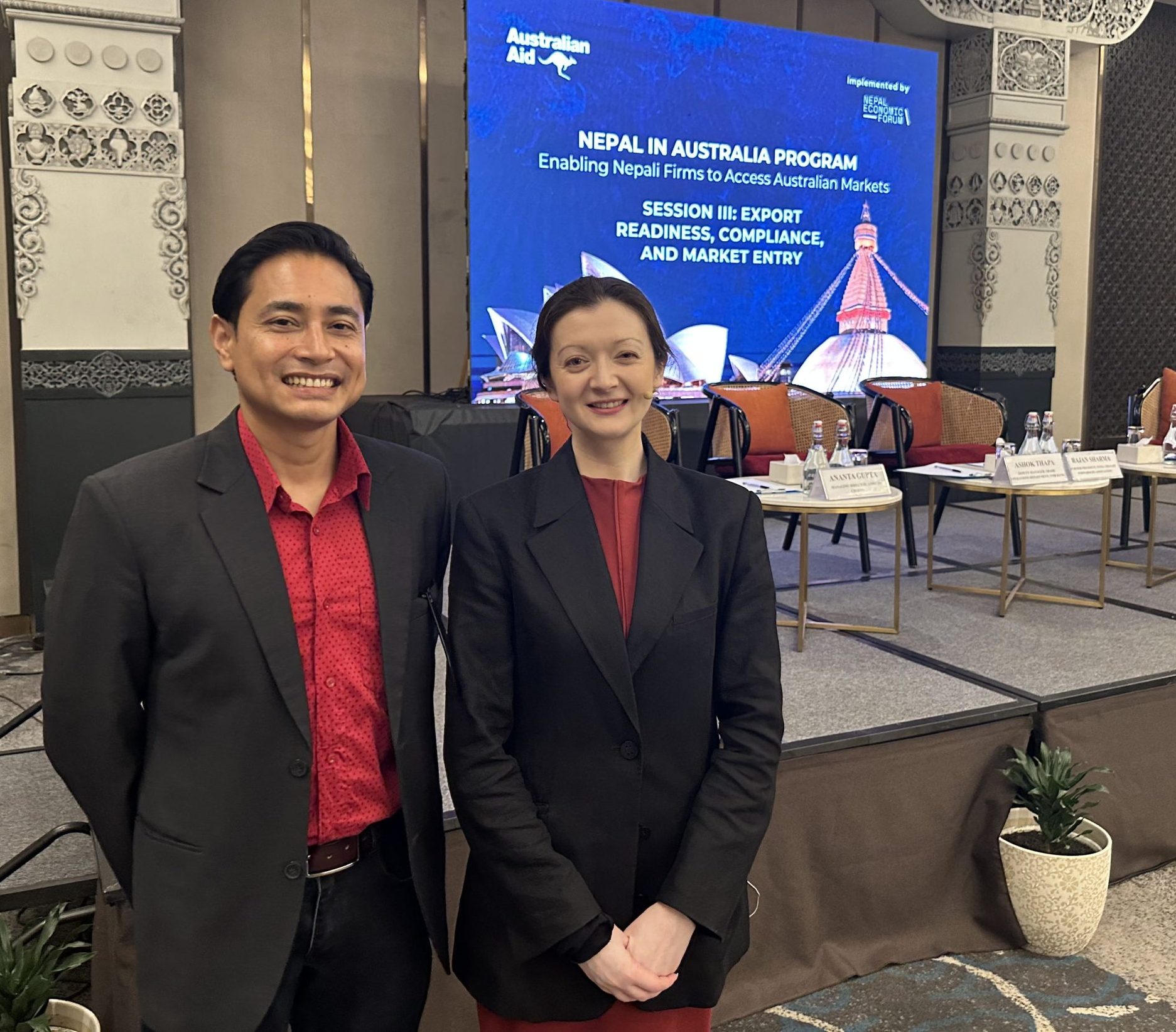
Understanding the Australian Market: Key Insights from Session III of the Nepal in Australia Program + Closing Session
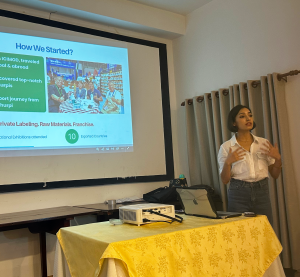
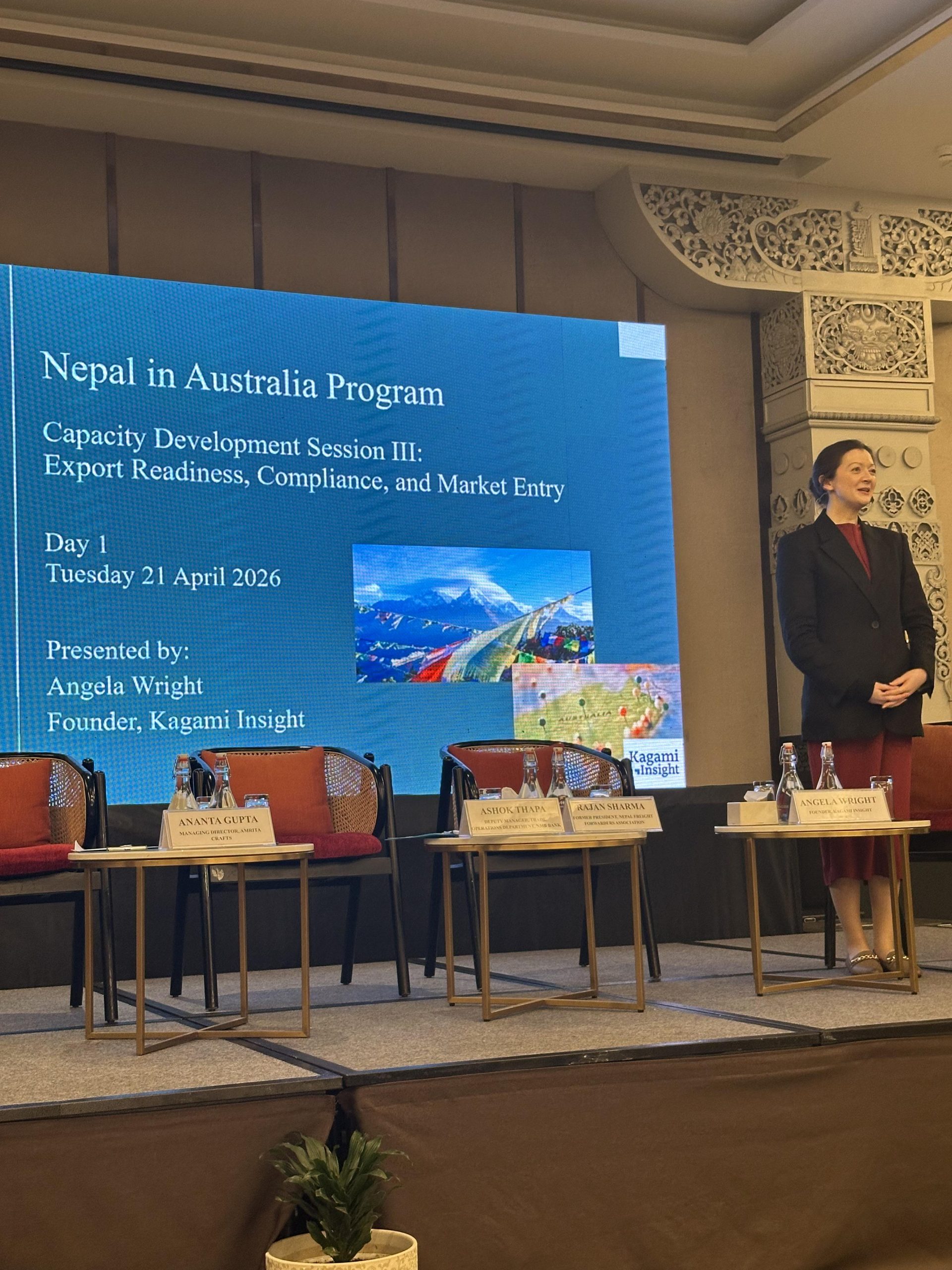
On April 17, 2026, the third session of the Nepal in Australia Program provided Nepali businesses with valuable insights into one of their target export destinations: Australia. The session was led by Angela Wright, Founder of Kagami Insight, who shared an in-depth overview of Australia’s market landscape, consumer behavior, and opportunities for Nepali exporters.
The session aimed to help businesses better understand the Australian market by exploring trade relations with Nepal, consumer expectations, and the economic factors currently influencing purchasing decisions.
Introduction to the Australian Market
The session began with an overview of Australia—its population, demographics, major industries, and what the country is globally recognized for. Participants also gained insight into the current trade relationship between Nepal and Australia, along with how Australia perceives Nepal as a source market.
Understanding these perceptions is important for exporters looking to position Nepali products effectively and identify where opportunities exist in the Australian market.
What Australian Consumers Value
One of the key highlights of the session was understanding what drives Australian consumers when making purchasing decisions.
According to Wright, Australian buyers increasingly prioritize products that align with their values. These include:
- Sustainability and environmental responsibility
- Fair trade and ethical sourcing
- Authenticity and storytelling
- Transparency and traceability
- Quality and durability
- Positive social impact
This creates strong potential for Nepali businesses, particularly those offering handmade, sustainable, and ethically sourced products with authentic cultural stories behind them.
Changing Consumer Behavior in Australia
The session also explored how Australia’s current economic climate is reshaping consumer spending habits.
Due to economic uncertainty, many Australian consumers are becoming more cautious with their purchases. Current trends include:
- Increased focus on value-for-money purchases
- Greater price sensitivity
- Increased deal-seeking behavior
- Delayed purchasing decisions
- Growth in discount retail and private label products
These shifts are important for exporters to understand when developing pricing strategies and positioning products in the market.
Australia’s Current Economic Conditions
Wright emphasized the importance of understanding broader economic conditions before entering any export market.
According to the presentation:
Consumer Confidence Decline
- Consumer confidence in Australia has dropped sharply in 2026, reaching approximately an index level of 80—well below the neutral benchmark of 100
- April 2026 experienced a 12–13% decline, marking the steepest drop since the COVID-era market disruptions
- Weekly measures show consumer confidence sitting more than 15 points lower than the previous year
Key Economic Drivers
- Rising cost of living
- Inflation pressures
- Interest rate increases reducing disposable income
- Global uncertainty, including energy prices and geopolitical tensions
- Reduced spending on non-essential and high-ticket products
These conditions highlight the importance of offering products that meet both practical needs and consumer expectations around price and value.
Opportunities for Nepali Exporters
Despite economic challenges, the session highlighted strong opportunities for Nepali businesses.
Australia continues to show demand for:
- Affordable and functional products
- Handmade goods
- Sustainable products
- Ethically sourced products
- Niche market offerings
Additionally, participants were encouraged to explore both B2B channels, such as wholesalers and importers, as well as diaspora markets.
For Australian buyers, consistency remains critical. Businesses must be able to offer:
- Reliable pricing
- Consistent product quality
- Dependable supply chains
Key Questions for Exporters
Wright encouraged participants to think critically about their market strategy by asking:
Why would Australian consumers buy your product?
How would they purchase it?
How can they find your business?
Building a strong online presence was identified as an essential step for businesses looking to connect with international buyers and improve visibility in overseas markets.

Conclusion
The third session of the Nepal in Australia Program offered practical market intelligence for Nepali exporters looking to expand into Australia.
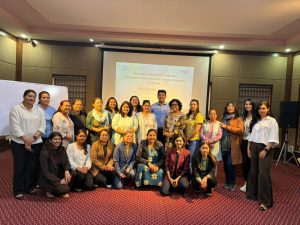
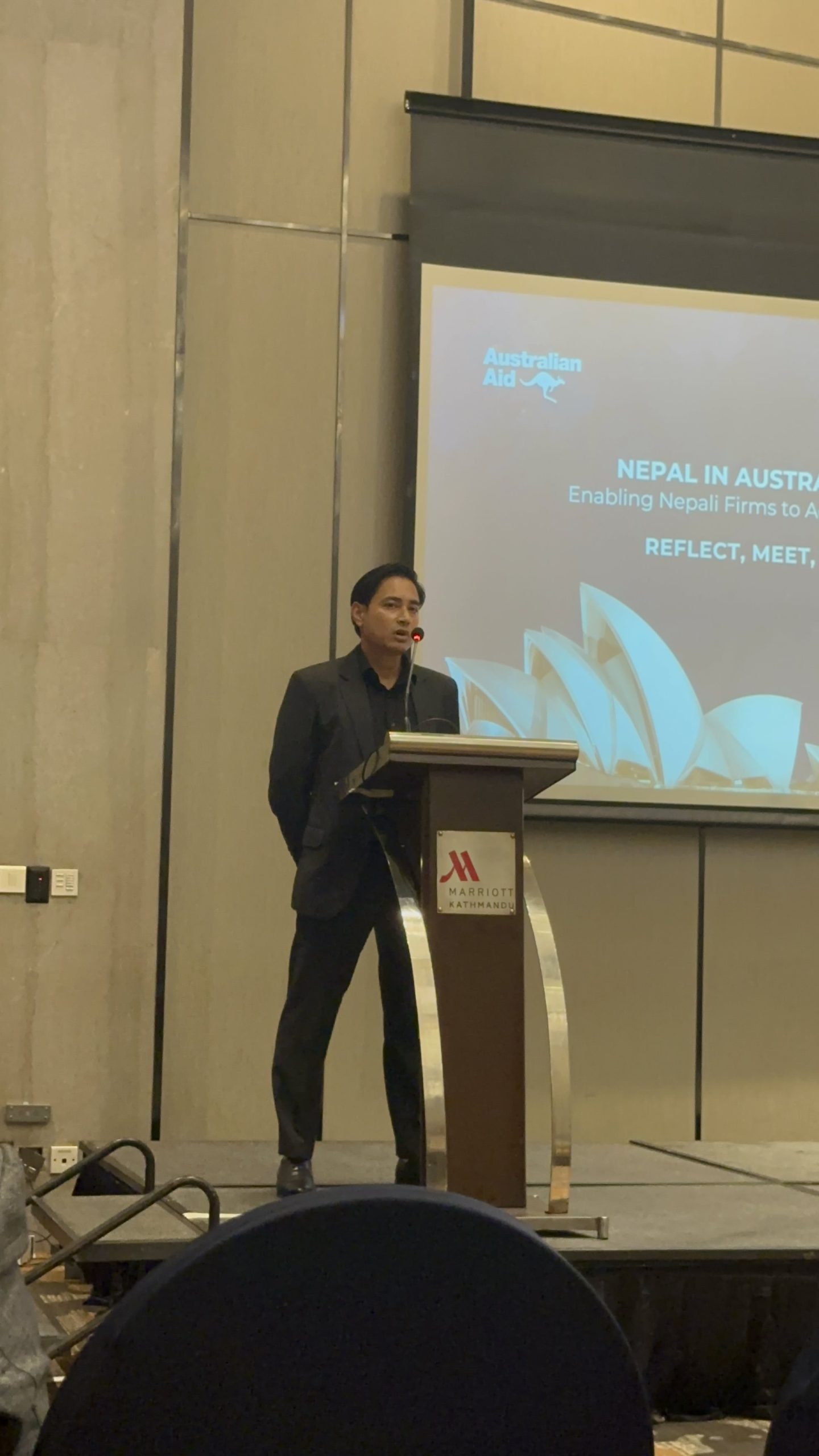
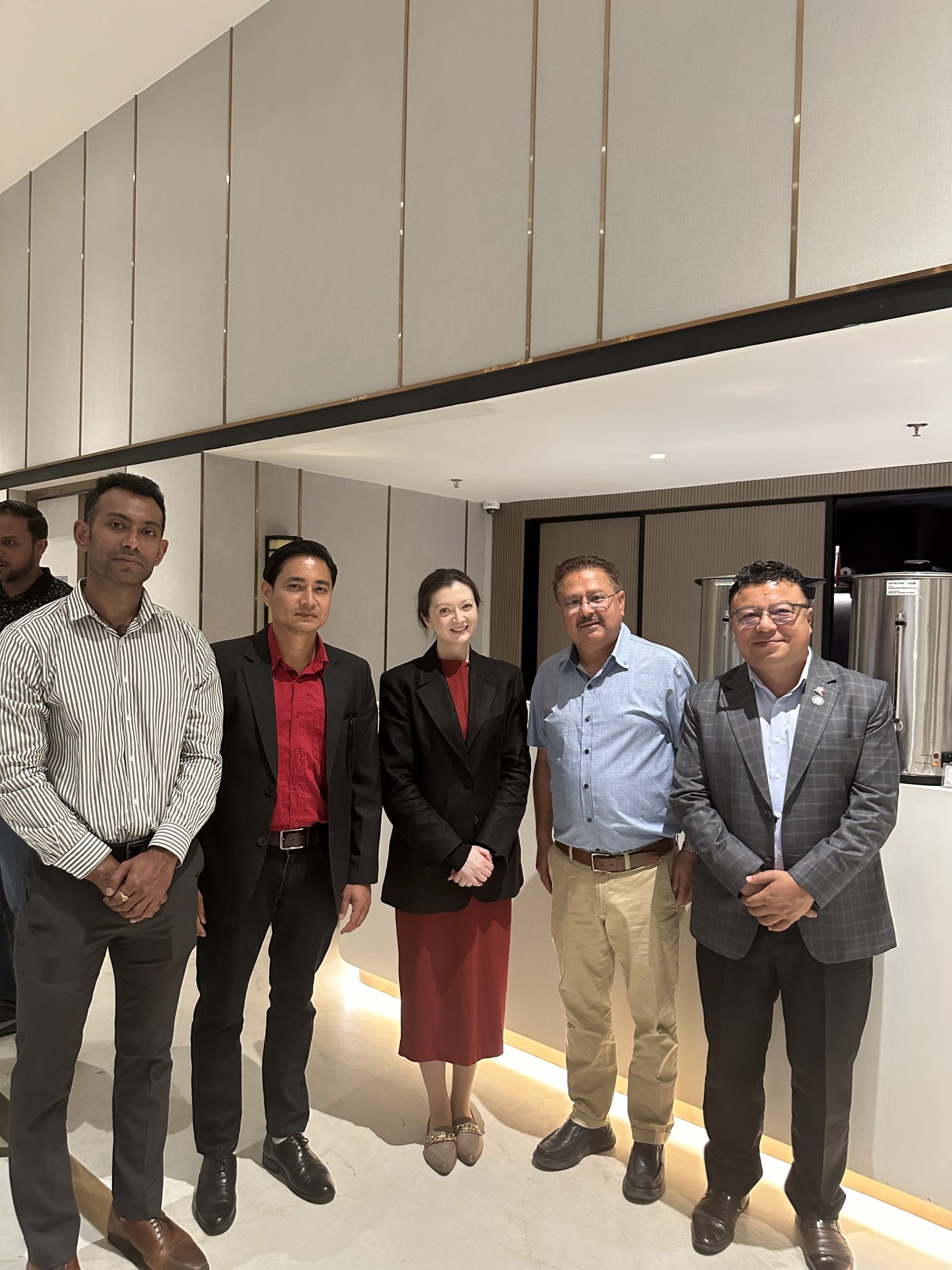
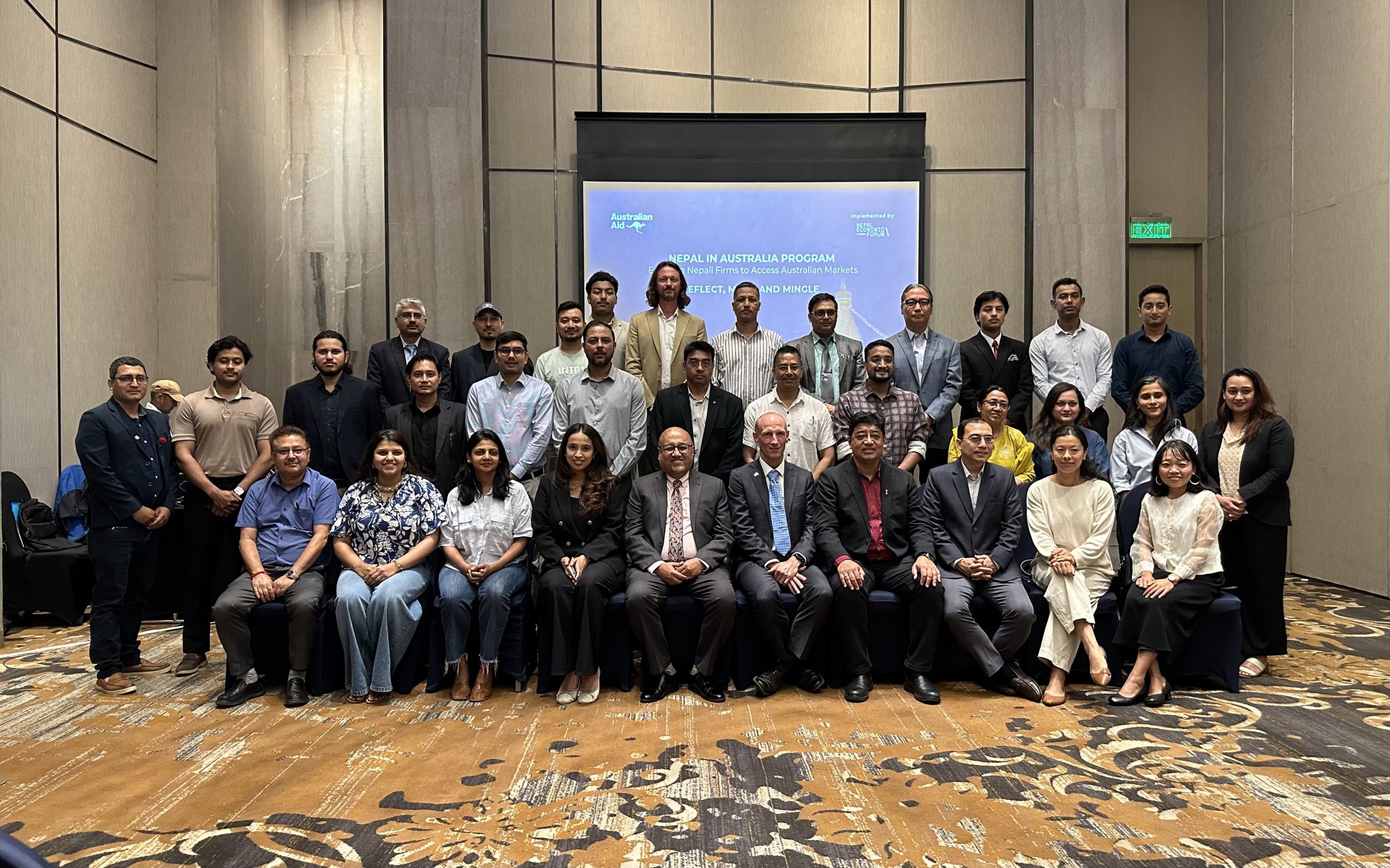
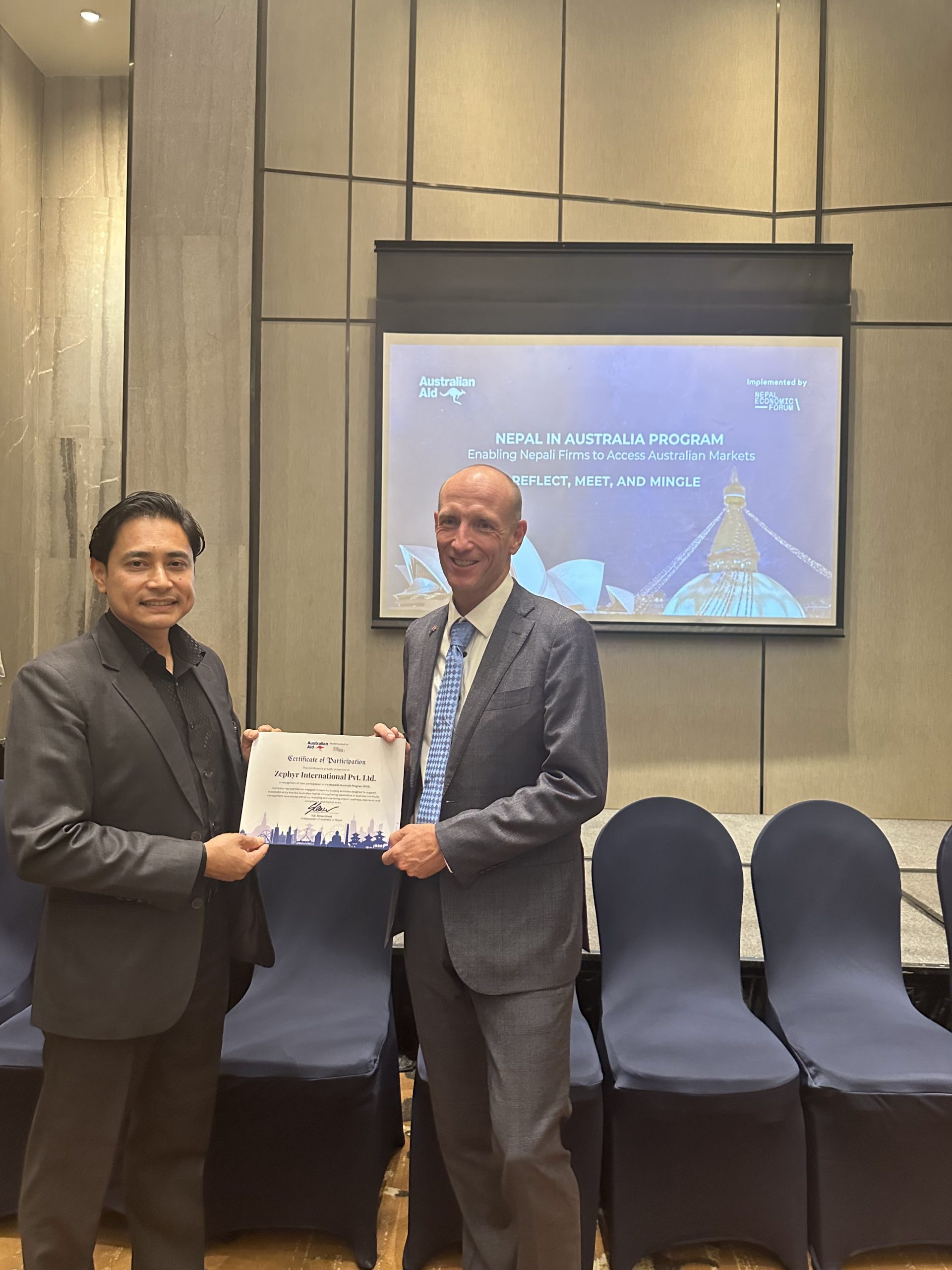
This session was followed by the Meet Greet and Mingle session on April 28 where all the participants reflected on the previous sessions on Capacity Development and Branding & Marketing. The event was attended by His Excellency Simon Ernst, Ambassador of Australia to Nepal along with other dignitaries from Australia, as well as spokesperson from the previous sessions.
The Nepal in Australia Program has provided valuable insights into the growing opportunities for Nepali businesses in Australia, where the Nepali diaspora has reached nearly 200,000 people, creating strong demand for products that reflect home and culture. Through sessions led by experts including Greg Klemm, Suman Shakya, Rajneesh Chaturvedi, and Angela Wright, participants learned about market potential, business resilience, branding, storytelling, and Australian consumer preferences for sustainable, ethical, authentic, and socially impactful products—qualities many Nepali businesses already possess. While challenges such as navigating export policies remain, the program has encouraged businesses to think bigger, strengthen their global presence, and explore new opportunities in Australia with confidence.




About author